
Day 6 - Free Ukulele Starter Course
I can What a wonderful phrase, kuna matata. Ain't no passing. He means no worries for the rest of your day. A corner I. How's it going guys? Uh, in this lesson we are looking at how to play Hakuna Matara and also, uh, a couple of other songs which are in the key of C, which we've looked at already in the earlier lessons in this 10 day course. But we're expanding upon that and adding more chords to it. We're adding more chords to the same key. So the key of C, as we looked at earlier, has the chord C. F and G, primarily, and the other chords that can happen in that key are the A minor chord and the E minor chord. Those chords occur in the key of C, and they're what we call diatonic chords from the tonic, from the C chord. However, real songs can add whatever chords they like in them, and you'll always find there's one or two chords that kind of catch you out when you're looking at songs you maybe want to learn. Um, and these are a couple of common examples and great ways to look at, uh, the chords that we're going to add. And in this case, we start on the F chord and go to a C. Well, that's pretty expected by now, we've seen that a few times. But a D major. In the key of C. Is unusual and we've also got a G7 that that happens here. And um these are just a couple of extra chords that kind of spice things up a little bit, keep it a little bit interesting for the listener. Uh that's what songwriters are trying to do to remember. So Akuna matata. We've got the F chord to a C. Absolutely standard as we have done so far. Then we've got the F chord. D major, which is uh first three fingers here. And then we have the G major chords. And if we do an inverted G, so like this, this is our normal G. Then we invert it, it becomes a G7. And some of you may have seen that this uh shape on guitar is a D7. But in this case, it's that shape, but we're using it, it is the chord G7. So D major and G7 are the chords that we're adding here that weren't in the sort of earlier. Most common chords that are used in there, these are sort of the, the next ones, the next most used. But that does give us a palette or a range of maybe 89 or even 10 chords per song. So this can get a lot more complex and there's no wonder, you know, some people can find it tricky. So this one and the next one are gonna work on the, the common things that are added. Standing on the F chord, hauna matata. What a wonderful phrase, goes to the C chord. Hakuna matata. Ain't, that's a D chord. Ain't no passing craze. No it ain't, that's a G7 chord. It means no worries, is A minor. The corgi I have goes to an F for the rest of your days is the D. It's our problem free philosophy hakuna matata. And doing that with a 1 and 2 and 3, a 4 and 1. Or a great option is the down, down, up, up, down, but with what we call swing. So this is the next swing that we're adding here. When we do up strums, 1 and 2 and 3, they can be moved a little later rather than being 1 and 2 and 3 and 4 and 1 and 2. It is swung, so it is, has a little bounce to it. 1, then 2. And if I was to sing, um, you know, it means no. Doesn't sound very happy. It changes the whole feel of things. So, so this swing strumming gives things a more relaxed vibe. From the top, it would be single strums, akuna matata, what a wonderful phrase. Akuna matata. Ain't no passing phrase, and then we'd strum with the down and up. It means no. For the rest of your It's our problem free. Hakuna mataa. There we go. And another great example where this, uh, similar thing happens, and we just have a couple of extra chords added in the key of C, is Don't Look Back in Anger by Oasis. Not a particular ukulele, you know, famous ukulele song, but it is a great sing-along number to sing at a barbecue or a uh uh while camping or anything like that. And uh the chord sequence there is as follows. And the extra code that we had there was an E major. And learning chords such as this much trickier E major, it's probably the trickiest chord we've gone for so far. Uh, learning them in the context that they happen in songs is the best way to learn these chords. Just learning the chords from a chord book or ploughing through like 100 chords or something, um, without them having any applicable sort of point of view or or being rela related to a song. It's not the way, we've gotta relate them to real songs. So here's the extra chord we've got here. And this is a great sequence, um, very common. A minor. E major. That's the uh the trickier bit. F. G See. A minor. Let me just take you through that one more time, 34. And then we also have the F chord to an F minor. Which is my favourite chord progression in the world, and on guitar, it is really difficult. And on ukulele, it ain't, it is fairly, fairly straightforward. I prefer the sound of it, if we play the normal F, but keep our little finger on the C note here. And when we change We can either just do that or we can swap the first two fingers around. But either way, that's the way we're playing an F, so we're adding the little finger. And then we want that er middle finger, the string that's nearest to you, that needs to go to first fret there. And then end on a C. And a great thing that we can add to make you sound a bit more jazzy, which is always good. Uh, it's not always good actually, but in this case it is really, really kinda cool to add. That little chord in there Which is just, it's almost, that would be a diminished chord, and then keeping the little finger there. Makes it an F minor 9. This is a beautiful chord So we're using all the fingers now, really working those hand muscles. 1234. And other than that, we're just kind of following our chord sequence really, they're the big hitters this bit would be. from Cause she said the brains I had went to my Step outside because summertime. And then we'd be Rare a new chord with an E7. OK. s And then the chorus is the same chords as we did uh earlier. Remember that chord sheet is in the description of my YouTube video, if this is on YouTube or on the website, there's a link to it there. Right at the end, but. Keen anger, that's that new chord. I heard you say And that is Don't Look Back in Anger. Those two songs, Hakuna Matara and Don't Look Back in Anger, both have the extra things that you want to add or be able to add in the key of C. They're really breakthrough songs when you get those extra things in there. And they break you out of just sticking to 3 or 4 chord songs and you start to uh know the songwriting tricks that, uh, legends such as Oasis and Noel Gallagher. And uh you know, the Beatles and and everyone else, all the modern pop hits that they do. Thank you so much for checking out this video, make sure you check out the next video in this series, leave your comments of ukulele songs that you want me to teach and uh you can see a full write-up and all the uh lessons, videos from this series on my YouTube channel but also on the website at Andyguitar.co.uk. I hope to see you in another one of my videos. Bye for now.
In this video
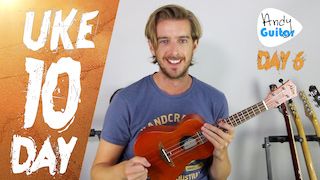
Welcome to day 6 of the 10 day Ukulele starter course where we're learning another classic Uke tune - Hakuna Matata!
We've covered a lot about musical keys in the past few lessons. However, many songs do not stick to these rules, and seem to change to any available chord. In this video, i'll try and demystify this for you and give you my advice for when you know the chords to most of a song, but not all of it.
Day 6 Chords
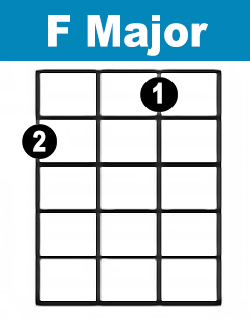
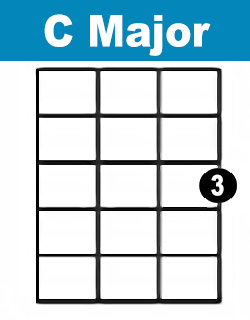

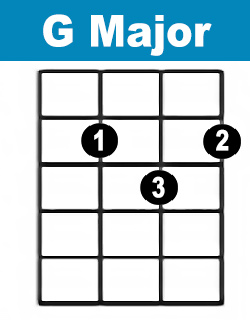

Day 6 song - Hakuna Matata
Hakuna Matata chord sheet link
*Disclaimer!*
Yes, Hakuna Matata has more chords than just those listed above. The lesson here is this; there will always be songs you want to be able to play, but some bits are too hard for you right now - this even happens to me! What has always worked for me is playing the bits I can do and enjoying it, taking on board what that song does (the chords, the riff, etc) then shelving that song for now and moving on to the next song. You will gain so much more playing experience this way.
Remember, songs were not written to teach you anything! Songs exist to entertain the listener. As musicians, we should learn what we can with them, but there is no need to learn every song you try perfectly. Only perfect the songs you are going to either perform or learn as an exercise, such as other songs in this course.