Overdrive vs Distortion vs Boost: What's The Difference?
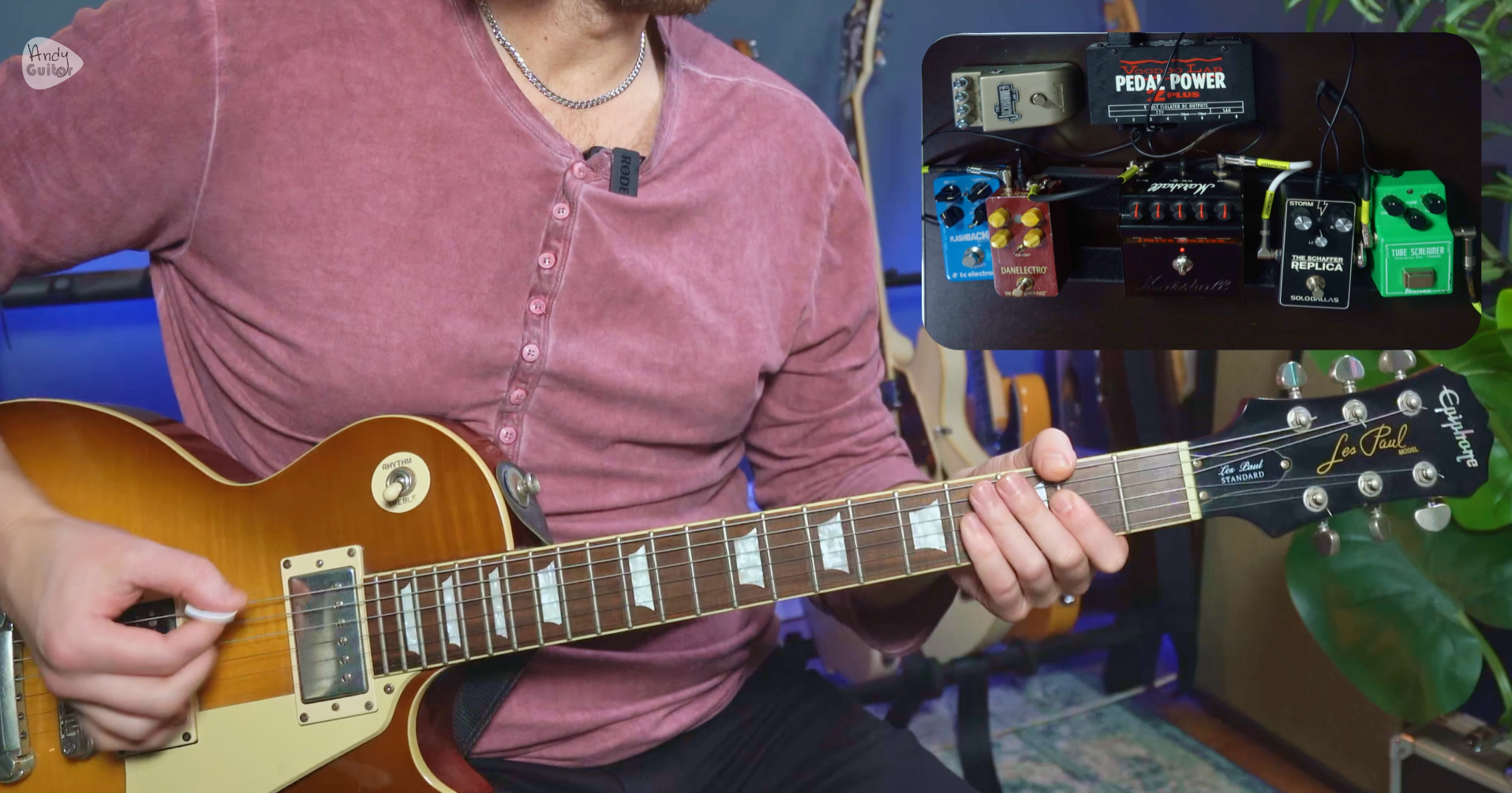
In this video
Understanding the difference between overdrive and distortion, when to use each, and why stacking them together creates professional tone.
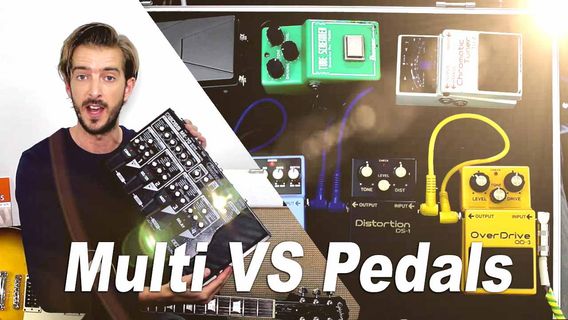
What is overdrive? Overdrive mimics the natural warm saturation of cranked tube amps from the 60s - characterized by warm, natural compression. The classic example is the Tube Screamer (or Ibanez TS-style pedals). It's a misunderstood pedal - it doesn't create heavy distortion on its own. At neutral settings (everything at 12 o'clock), it adds subtle warmth.
What overdrive actually does: It makes other pedals or your amp "sing." The Tube Screamer alone won't give you massive distortion, but combined with amp overdrive or another pedal, it adds sustain and pushes the signal. Think of it as a booster that also shapes your tone.
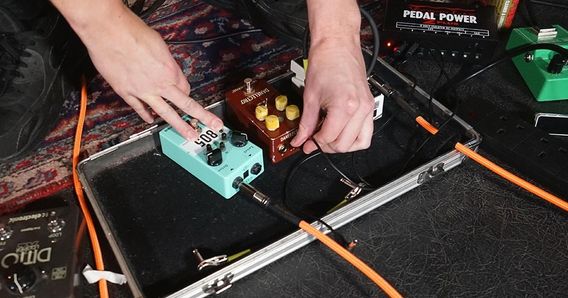
Distortion explained: Heavier clipping of the signal. Pedals like the Boss DS-1 or ProCo RAT create more aggressive, saturated sounds. The Drive Master (demonstrated) is technically an overdrive but verges on distortion due to heavy signal clipping.
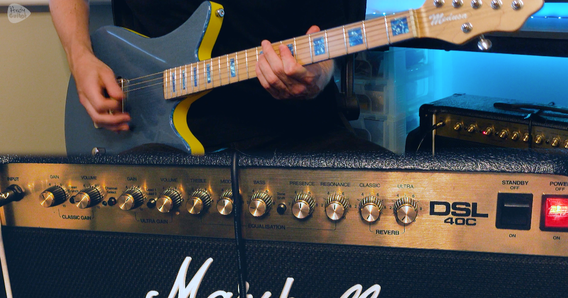
Overdrive stacking: Combining multiple overdrives creates professional sustain and tone. Using a Tube Screamer (or similar) into a Drive Master into an amp's brown sound creates the singing lead tone used in countless classic solos. Each pedal adds a layer - none alone creates the full sound, but together they're magic.
Song examples:
"Zombie" by The Cranberries - very clean cowboy chords on the verse, then heavy brown sound for the chorus. The contrast requires either channel switching or stacking pedals for the heavier section.
"Enter Sandman" by Metallica - originally used two different amps (clean Roland Jazz Chorus for cleans, Marshall for heavy). Modern players use an A/B switcher pedal or modeler to switch channels. Demonstrates the importance of compression and stacking for that tight, heavy rhythm tone.
"All Right Now" by Free - pure 70s overdrive sound. The temptation is to scoop mids for chunk, but authentic 70s tone needs mids in the mix. Keep bass and mids present, maybe slight treble boost. The Tube Screamer adds analogue warmth. For solos, add more gain/boost for sustain - especially important higher up the neck.
Key principles: There's no right or wrong with gain staging and signal chain - it comes down to personal taste. Experiment with stacking different overdrives, try different orders, adjust settings. The goal is finding what sounds best to your ears. Modern modelers often have built-in boost functions, but understanding individual pedals helps you dial in any rig.