Ultimate Guide To Reverb For Guitarists
In this video
Understanding reverb - the sound of a space that can define the character of classic songs and dramatically change how you play.
What is reverb? The sound of a space or room. We use it on amplifiers or pedals to simulate different acoustic environments. It fundamentally changes the feel and dynamics of your playing.
Reverb types:
Hall reverb: Big, lush space with long decay. Turn it all the way up for maximum effect - creates that concert hall ambience. The "amount" control is simply the volume of the wet signal (the effected sound). This is the most common reverb for classic songs.
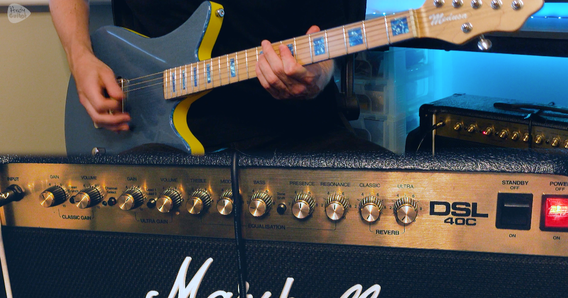
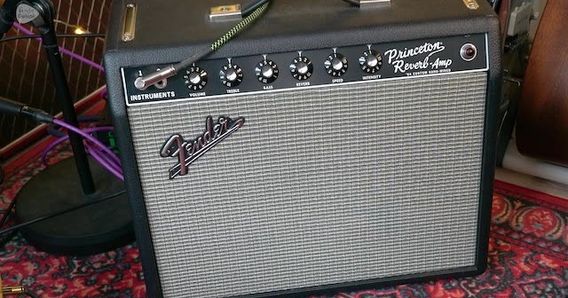
Spring reverb: Simulates the spring reverb tanks in old Fender amplifiers. Has a characteristic wobble or shake to it - you can hear the springs moving. Essential for surf rock and rockabilly tones. When you hear that shimmery, bouncy quality, that's spring reverb.
Room reverb: Shorter decay than hall, sounds like a smaller space. More natural and subtle. This is what many recordings use - even if you mic an amp close (as in these videos), adding room reverb in post-production makes it sound more like it was recorded in an actual studio space rather than with the mic right against the speaker cone.
Song applications:
"Hallelujah" - requires hall reverb for that emotional, spacious quality. The reverb is essential to the feel of the song. Especially important for the fingerpicking sections and sustained notes.
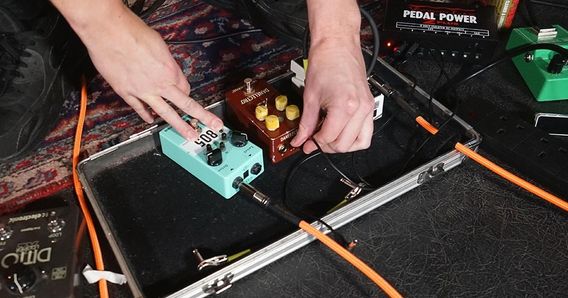
Guitar solos in general - reverb helps sustain and adds dimension. But remember: if reverb is on a pedal, it must go in the effects loop (after the amp's preamp).
Reverb in FX loop with overdrive sounds like Pink Floyd - lush, clear, professional. Reverb before the amp with heavy overdrive sounds wild and chaotic - not typically the desired sound.
You can use reverb to add lush, dreamy quality to leads. It fills space and creates atmosphere. Without reverb, the sound is "dry" - still valid, but different character. One isn't better than the other; they serve different purposes.
Key principles:
Reverb is always "the sound of a space"
You can add it in post-production to simulate recording in a big hall when you actually recorded in a small room
Use it creatively to change how you play - more sustained notes, more space between phrases
Different reverb types suit different genres: spring for surf/rockabilly, hall for ballads and solos, room for natural studio sound
Always use reverb in the effects loop (or use amp's onboard reverb which is automatically post-preamp)
Reverb adds dynamics and feel. Compare the same part with and without reverb - the dry version sounds more immediate and punchy, the wet version more atmospheric and sustained. Choose based on the song and emotion you're conveying.