Top Pitch-Shifter/ Whammy Pedal Songs You Should Know!
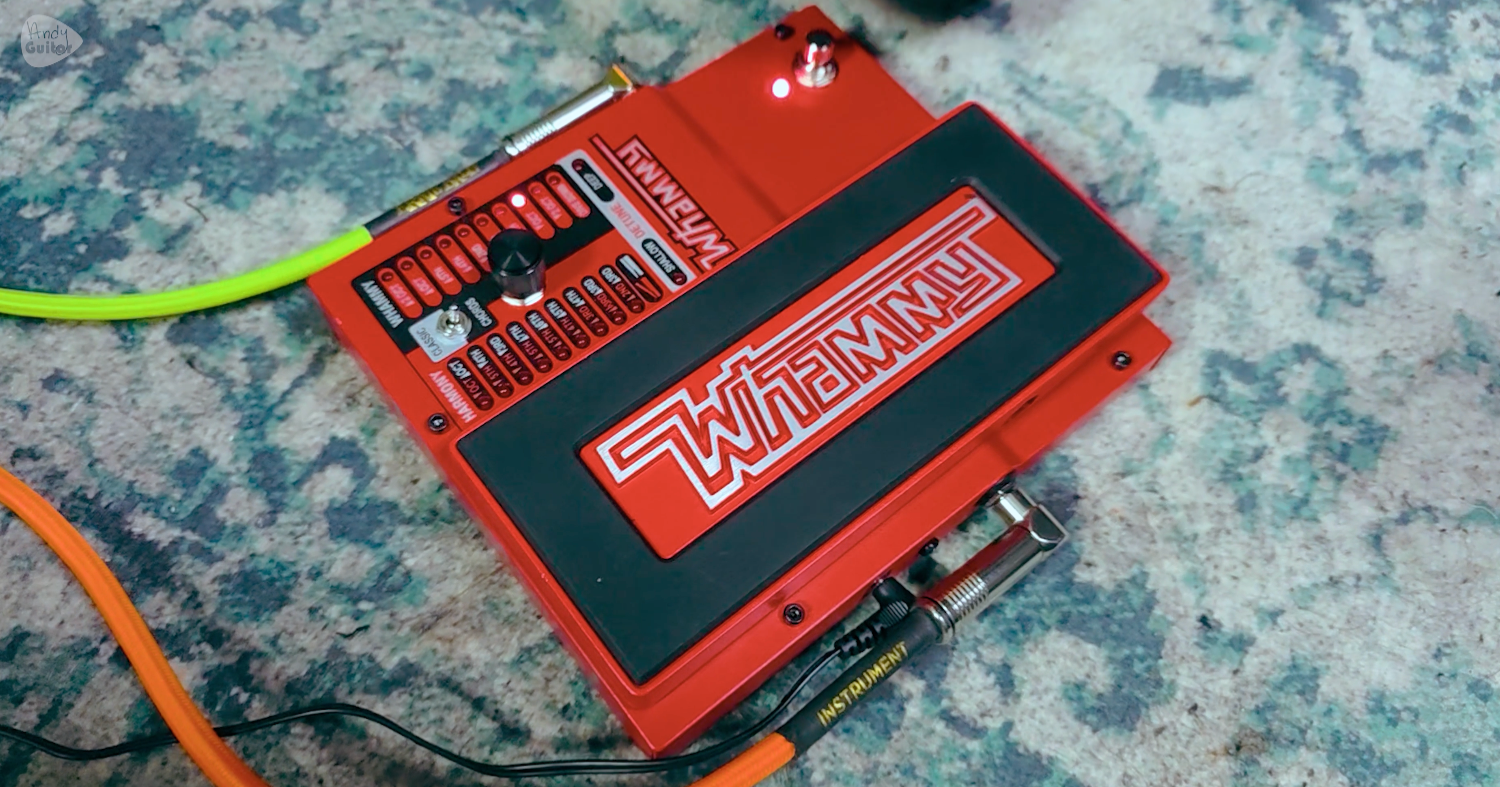
In this video
Using the Digitech Whammy pedal for octave effects and pitch shifting is essential for countless modern rock songs and creative sound design.
The most famous whammy riff: "Seven Nation Army" by The White Stripes. Jack White plays the main riff on guitar, but the whammy pedal takes it down an octave to simulate bass. Without the pedal it's just a simple guitar riff; with the octave-down it becomes that iconic bassline.
Most common whammy effect: Octave up by one octave on a clean tone. Creates an ethereal, shimmery quality that sounds almost synthesizer-like.
"My Iron Lung" by Radiohead - uses octave-up throughout. The intentional artifacts and glitches from the whammy pedal are part of the sound - that slightly unstable quality adds character.
Tom Morello / Rage Against the Machine: The most famous whammy user in rock. "Killing in the Name" solos use octave effects combined with D minor pentatonic runs, tremolo picking, and hammer-ons/pull-offs. The technique: play the scale normally but the whammy adds or subtracts octaves, creating wild pitch sweeps.
Expression pedal usage: The foot pedal rocks forward/backward to sweep between pitches. This allows real-time pitch bending - you can start on the normal note and sweep up an octave (or down). Creates sounds impossible with just a whammy bar.
Matt Bellamy / Muse application: Muse are heavy user of whammy pedal FX for sci-fi sounds and dramatic pitch sweeps. They combine fuzz with whammy for over-the-top effects. The whammy allows you to treat the guitar like a synthesizer, creating textures rather than just notes.
Octave down for heavy sounds: Set to octave-down with fuzz pedal creates crushing low-end. Modern bands use this extensively for drop-tuned sounds without actually retuning. You can play in standard and add octave-down for breakdowns.
Dive bomb effects: Sweep the expression pedal for dive bombs without needing a whammy bar on your guitar. This saves money and avoids tuning stability issues that come with traditional whammy bars. Purely electronic pitch shifting controlled by your foot.
Settings: The Digitech Whammy typically offers:
Octave up/down
Two octaves up/down
Various harmonic intervals
Detune settings
Most commonly used: +1 octave up (Radiohead, ethereal stuff) and -1 octave down (Seven Nation Army).
Modern applications: Loads of contemporary bands use whammy pedals. Hamish from Vukovic mentioned as recent example. It's become a standard tool for alternative and progressive rock, allowing guitar to occupy sonic space usually reserved for synths or bass.
Key advantage: Dive bombs and octave effects without needing whammy bar hardware. Your guitar can stay in perfect tune while you create wild pitch effects electronically.