Acoustic Looper Jam 1 in C - Happy major vibes
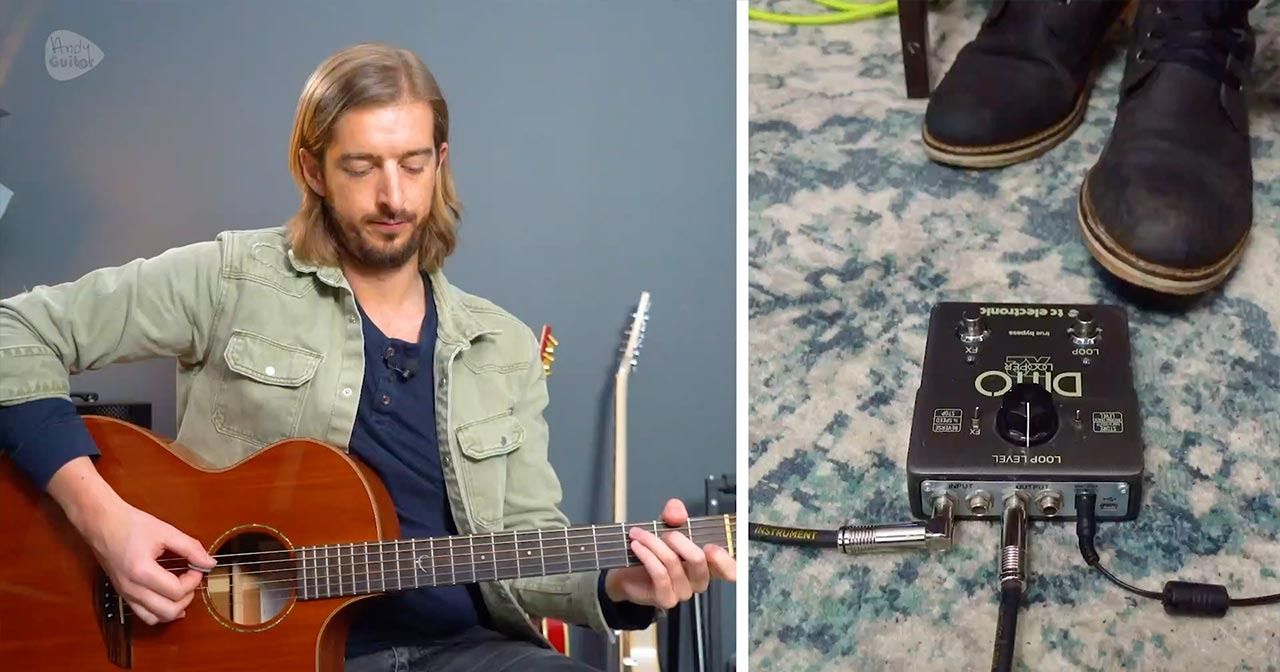
Welcome to our first acoustic guitar looper pedal jam. Now this is in the key of C major, and throughout this series, we are going to be doing looper jams in all 12 keys, mainly sticking to the major versions of those keys, so C major, C, D, etc. We'll be covering a little bit on the minors, but mainly sticking to major. And we're mainly sticking to this major pop song or acoustic folk song sound rather than blues. Um, it's a huge thing for a lot of people to be able to play kind of 12 bar blues and do that kind of style, but that's not what we're focusing on in this series. It's much more the pop song, um, major sound, and what we, what we can add to that, especially when we're looking at using a loop pedal. For all 12 jams, there will also be an audio track directly under this video that you can download and you can play uh over this, just this jam track that literally I'm making on my loop pedal, so there'll be a recording of that in a loop for 3 minutes or so, and you can practise all the lead guitar stuff that we're focusing on here, but if you have a looper pedal, start out with this kind of thing, it'll be so good for you, and if you're a total beginner. You can even play along to this whole thing and just strum a C chord. What we're basically recreating with a looper pedal here, is this idea of playing a C major chord with the descending root notes. Which is a huge part of how the more musical chord progressions are, are actually written. What the songwriter's thinking of when they're writing the chord progression is not C chord, F chord, G chord, etc. They don't think like that, they think of single notes within that chord, and this is a great way around that. So even if all you can play is a C chord, all we'd need to do, maybe just one. 4, and get that loop in there. So this would be a perfect starting point, just 1. Get that sea cord loop in. And then descending root note, C major scale. All the way down to F and then back to the G, so it's two F's. No, I wasn't aware I was recording there, but what I can do is hold down my looper pedal. And I've just got rid of that last loop, OK, whenever red light's on, we're recording, so all I'm gonna play now though is the same thing I just did. I'll record that in, and then we've got that and it's like we've we've got the er feeling of of changing chords because of this change in bass note, so let's try this. And of course, the rest of the major scale. We'll also work And that is just using things that were just covered in my beginner's course. If you can add more strumming to it, great, the recommended strumming pattern I'm doing here is just down, down up. Especially just sticking to really the middle four strings, keeping our arm very still and just doing this with the wrist, which turns. That into. OK, and let those up strungs really hit the thinner strings, so down. down. And we get a really lovely sound. So middle 4 strings with the down, thinner strings with the up. Let's add that as a new loop, OK? So I've cleared the loop pedal. And I'm gonna play this first and then tap for 2 bars. I'm gonna let the loop go for 2 bars. There's my loop, same bass line again. And there's our loop and it's like we've got, you know, a more complex part than perhaps the sum of it. Over that I was playing uh the C major pentatonic scale. OK, so that's a bit of an overview there. Again, what the looper pedal's enabling us to do is to get this kind of effect. Just being able to play a C chord, now if we can, let's play the C chord for one bar and then the F chord for one bar, so this is. So it's literally C to an F 7, we don't even need a barcode. Clear the looper. Let's record that in. 1234. There's my loop. When it goes around again, baseline. And there's our loop. Now we can hear that little jack jacka from the strummingham. Let's accentuate that no by doing. Total mute with this left hand, we're just muting all the strings. And we're just gonna do that, this is gonna happen on beats 2 and 4, which is where the snare drum happens, that's where the snare drum occurs in a drumbeat, the most important beats. Here we go, the next time round. There we go. Now I think I can get, I think I can do that better, so I'm gonna clear the last one. And we can only clear that last one that we've recorded, but we can clear it so we can try again, and let's just try and get it even better. Here we go. Yeah, I'm happier with that one. So what we need to know now is that those two chords, C, F, and then the hint of a G because of the Groot note there, are all in the key of C, and these, every time we change the bass notes, we're essentially changing the name of the chord, but we don't need to think about that. These are all just, we're just playing the C major scale, and then 4 we just think key of C, key of C. What is going to work over the top of chords in the key of C major, the C major scale. All the notes in every chord are just the C major scale. Now we could play the C major scale in open position. But on guitar, that's actually, that's quite difficult to do and also it's important to know which notes to stay on and to emphasise when we start improvising, when we start coming up with our own little melodies. So it can be a much safer starting point uh to do this with the major pentatonic. And major pentatonic is often quite difficult for, for some people, but there's a really easy way to make sure that it's always gonna sound right, and what we need to know is the C major pentatonic is the same notes as the A minor pentatonic. So when you have, I can guarantee you've played this before, 5th fret to 8th fret, 5th fret to 7th fret, 575758, 58, like the one everyone plays as their first scale. The major pentatonic is those same notes, the C major pentatonic, but the root note rather than being A is on C, so the root notes moved 1, then the next note in the scale. So we would start C major pentatonic. From that little finger and go, go all the way up to the top, we'd start on the 8th fret, which is C, play all the same notes you know and love. The most overplayed set of notes ever on guitar, electric or acoustic. But importantly, when we're creating melodies and uh playing anything, improvisation, lead guitar in the key of C major, we've got to emphasise this C note, which means we've got to stay on it. We've got to start our melodies or that be the most prominent note that we play. So when I started this. Obviously that C note's lasting longer than uh than these two notes. Now if that's a blues lick in the key of A minor. That's what we'd be playing, and that would emphasise. Suddenly we're in a blues context, for major. We need to emphasise the C, and if uh for those of you that can play bar chords and have done this before, any of the chord tones that make that C major, so C, E, or G, anywhere. On the guitar at all. And a bit of knowledge of the cage system can really help with that, but to keep it simple, just think of these three notes of your C major bar chord. We don't even have to bar, we just need to visualise. These are the safe notes, not. The A, because we're in the C major pentatonic. That is a nice way to emphasise that. That was the lick I chose. And then 5857. We can do the 2nd note, so pick, we can do the 2nd note with a hammer on. And then pick again, or pick every note. Either way, that works beautiful. Over this rhythm part. Because those chords are saying C major, this is the C major pentatonic, but even more important than that, I'm staying on that C note, and then other notes. The the E note and the G note. Which are all part of that C chord, I'm staying on those notes or emphasising them, uh, in the lead part as well, so that's what makes the harmony there. So all those things, which are diatonic chords, chords in a key. In this case, just C F and G, the 14, 5 in that key, and then knowing the major scale or the major pentatonic scale over the top of that, and mainly emphasising the notes of the first chord of the, the C chord in this case, are the things to keep in mind when we're jamming, uh, in the major keys, and especially when we're jamming on acoustic guitar. Uh, because we're not thinking blues in this context, we are thinking this major key sound. Hope that helps. Whatever level you're at at the moment, I hopefully you can grab onto one or two things there, even if it's just the rhythm part of it. And, uh, I wish you all the best with recreating that loop or jamming along to that drum track, which you can do right now.
In this video
Acoustic Looper - C Backing Track
Beginner option (2:26)
Play a C chord on the beat and create a two bar loop of this
For a bassline, play the C major major scale descending from the root
For a lead part, begin by playing the C major scale ascending from the C bass note just on the beat and play this up and down
Strumming pattern (04:25)

Beginners should focus on just getting the rhythm and the downs and ups correct. Intermediate players should pay close attention to the strings they are strumming to recreate the feel, as shown in the video tutorial and the interactive tab below.
Intermediate rhythm (06:14)
Create a loop of a C chord then and Fmaj7 chord (1 bar of each) with the strumming pattern written above
Add the bassline, then try adding the lead suggestions, written below
Add percussive hits (07:30 in the video)
If desired, try to recreate these in one guitar part using the interactive tab below (shown at 6:17 in the video)
Intermediate+ lead (05:50 and 08:46)
Intermediate level and above players should solo higher up the neck. As a suggestion, start by using the C major pentatonic scale (pattern 5) or Major scale (pattern 1). See interactive tab for Andy's improvised example solo further down this page.
Full example - Interactive tab
See interactive tab for Andy's example jam below.
Interactive Tab
Become a member to access this interactive tab section.
For each key, I will try to give song examples to provide wider context. For many more examples in the common keys, just use the new Song search page and filter all my song tutorials by the chords in the key!
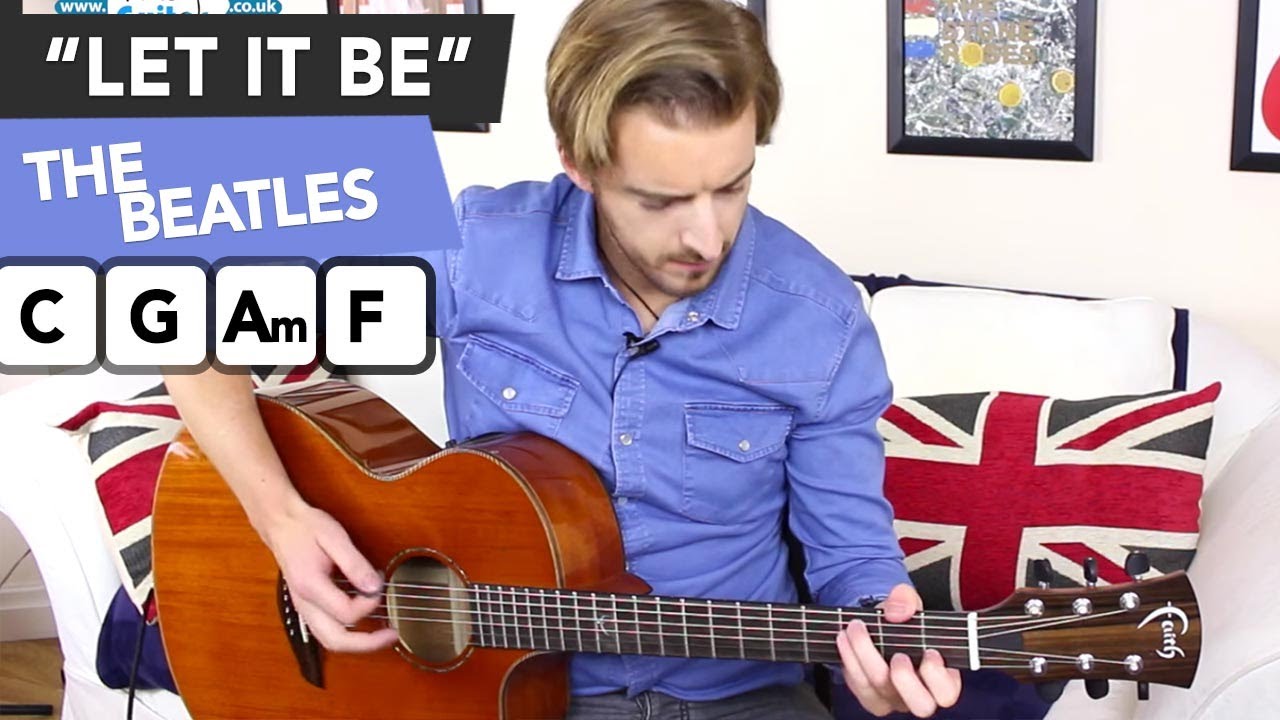
C major song example 1 - 'Let It Be' by The Beatles
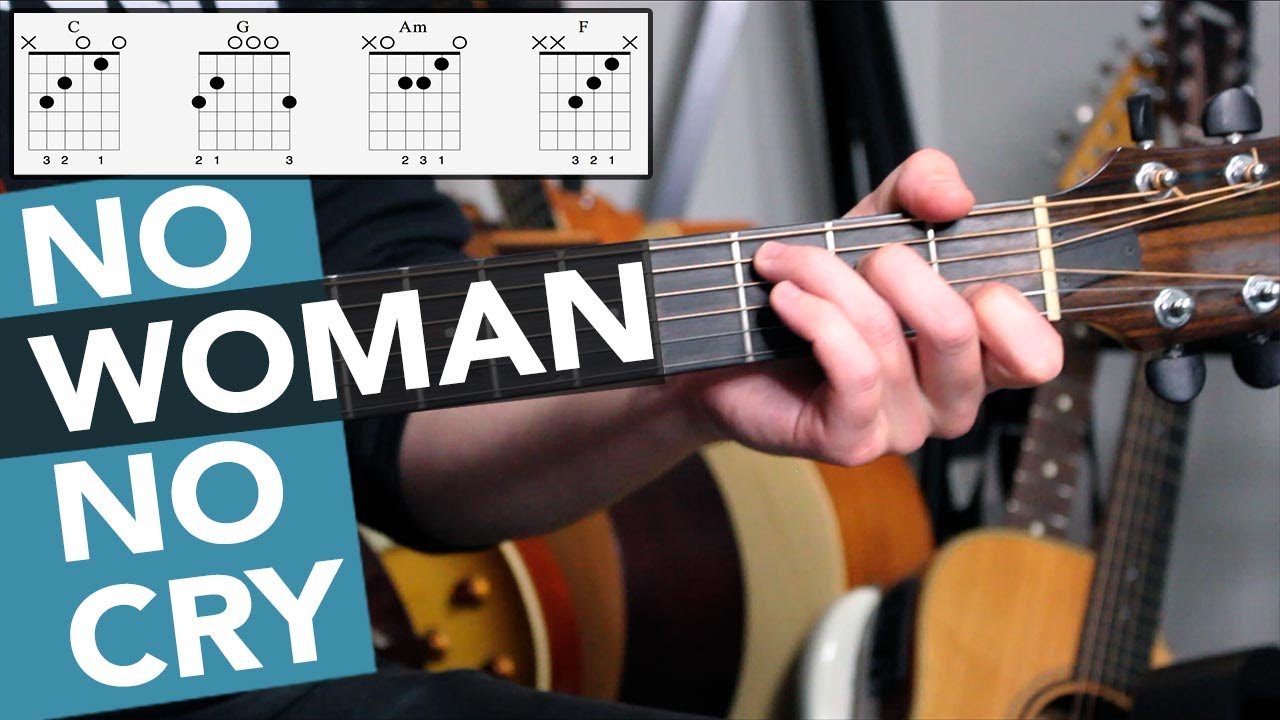
C major song example 2 - 'No Woman No Cry' by Bob Marley