
Beginner's Guide to Electric Guitar Gear (THE ESSENTIALS)
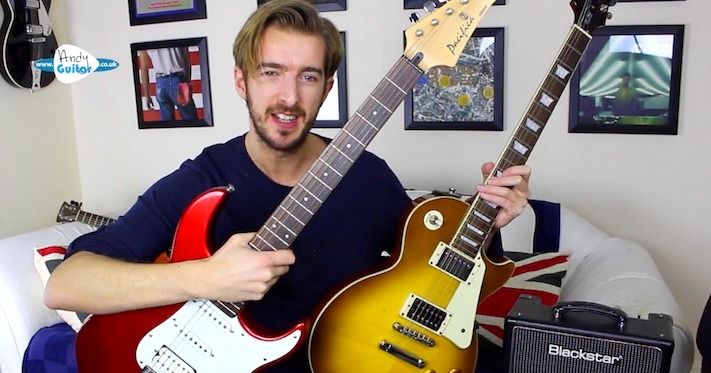
Hi guys, my name's Andy Crowley and welcome to the first lesson in this electric guitar starter series. In this first lesson I'm gonna be talking you through all the bits and bobs that kind of accompany the electric guitar, including uh guitar choices, you know the differences between uh electric and acoustic and different types of electric guitar, amplifiers, pedals, uh tuners, everything like this that you miss. need if you're just starting out on electric guitar. If you want to start playing straight away, click the link in the top corner here or in the description to get straight onto the first lesson in this starter course where I'll be showing you how to play your first kind of electric guitar riff. But for the remainder of this lesson I'm going to be demo demoing gear and giving you my recommendations. Now all the gear and equipment that I show you in this video. Is my own that I bought with my own money. Nothing here is a paid endorsement at all. Um, they're things that I regularly use uh either myself or I bought to display to students for teaching purposes to show them my recommendations and I bought them myself cos I believe in the product so much. If you want links to any specific product all the links are in the description below as is sort of a full page write up. On my website of this video. So let's get cracking. This is my main electric guitar. It is an Epiphone Les Paul standard and I really endorse Epiphones, I think they're fantastic. um Epiphone is essentially the budget sort of sister brand to Gibson and uh therefore the prices are substantially cheaper than Gibson guitars um in general. This one is a slightly more premium uh guitar than some uh Epiphone Les Pauls. So the cheaper version is kind of the Les Paul Special 2 or there's a Les Paul 100 that are slightly you know more budget versions than this, and the difference is in the finish, um, not too many differences in the spec. The one thing that I upgraded in my Epiphone in this one is the pickup. The pickup is a Seymour Duncan, a '59 model and this is the case for it which has uh you know the old pickup from this guitar in it. I dug this one out. Uh, so a '59 model Humbucker it models um a PAF style um sort of Gibson pickup really and um that is the one upgrade that I highly recommend. Um, if you're not quite happy with the sound you're getting from an Epiphone, upgrading the pickup is a very, uh, inexpensive way of doing it. This pickup I think cost me £60 and then I paid, you know, a small amount of money for someone to change it for me to do all the wiring. At the same time as getting a guitar setup where someone set the height of the strings and, uh, changed the strings for a lighter set, um, that sort of thing. The other main model of guitar or the main style of guitar is a Stratocaster type guitar. Now this is a Yamaha Pacifica and you can see the differences in the body shape um with the extra cutaway where my hand's kind of pointing through here. There is a cutaway on this one. But this one is um a thinner body. You might not be able to tell too much on the video, but that does make it different to play and any other guitar that is kind of on the market is pretty much based on one of these two styles. The Les Paul style and the Stratocaster style guitar with with the two cutaways. Um, a Telecaster. Is sort of in between these two and uh the Les Paul type is typically um better for heavier music and will give you a heavier tone and will be able to cope more with more uh overdrive, so more game. I'll be explaining all these terms to you as we go through the video. And um the Stratocaster style, this one typically gives you a cleaner, twangier tone. However, you can get very close to both with with either guitar depending on the amplifier and pedals that you use. The main difference between that sound um is with the pickups. You can see that these two pickups here um only have one line of uh uh of the pickup here. We have two here. So this is called a single coil pickup because there's only one coil of wire around this one essentially round a magnet is, is how they work. And these one they they have 2 coils, so they're um not called dual ones, they're called humbuckers cause the idea is you get twice the amount of signal from one of these and half of the hum, half of the noise. So, um. These pickups are the same here and the same whether they're covered or uncovered. You know they're they're they're the same underneath this covering. Um, these are humbuckers and they're what provide you with the, the, uh, the deeper, rockier sound or the heavier sound, um, rather, rather than the body shape, but the body style and shape does contribute somewhat. But if you have a pickup like this, it's going to be heavier and if all the pickups are like this, the single coil, they're typically going to give you a bit more of a twang. There are differences in the headstock. That we can see here, um, these are more for taste, and the advice I can give you for what type of electric guitar you can get is which appeals to you more, which makes you want to play it. This is really the only question that matters and from there, once you can narrow it down from the style that um that you like, so a Les Paul type, a Stratocaster type, a Explorer type. Whatever it may be, um, after then price, you know, plays a big factor and you can start to refine a little bit more. But is this one better or is this one better? There is no better, it comes down to taste. But there are those sort of key things with the pickups and the body shape that you can use to narrow down your choice. The next thing that I'd highly advise if you have an electric guitar is getting an amplifier. Now these can be. Simulated with any number of apps or anything like this, but you can't really beat uh a real live amplifier. This one is my own. This is a Blackstar HT1 and I think this amplifier is absolutely fantastic. Uh, it is a cheap low wattage um amplifier from around 160 pounds, so around the $200 US dollars mark. And I'll be talking you through the controls and demo. With this. This is great as a step up from um a guitar amplifier that you might get in any sort of starter pack. So if you get a budget starter pack or a, you know, 50 pound amplifier, um this one is a great first step up from that. And similar low wattage all valve amplifiers are the ones that I recommend in general. So this is a 1 watt all valve amplifier. Which is, in my opinion, much better than a 15 or 30 watt, um, solid state amplifier. It's the difference is the way that the sound is created. This is sound is created by valves, which, you know, kind of is old world technology, but um I really believe that uh that that is the sound that's better for you. If you want to try that out for yourself, you need to get down to a real guitar shop and try out a selection of amplifiers. If you wanna know what to play, click onto the next lesson where I'll show you my recommended kind of first riff for electric guitar. But the fact is, unless you hear the amplifier in the same room for yourself, it is hard to just even from. Videos like this, it is hard to judge sound qualities and sound different through a YouTube video, so I highly recommend get down to the biggest local guitar shop you can and try out a whole bunch of guitars and amplifiers. If you're buying them as a gift then the starter packs are a great choice and the person could upgrade to any any of the equipment that's in the starter pack. When they choose to do so. So to make this guitar amplifier work and make noise, we need to connect the two with a lead. This is called a jack lead, and the end of the lead looks like this, and this goes into the end of our guitar here. So we connect it like this, click it in all the way. And then the other end of it. Goes into the input of our amplifier here or your amp simulator. The definite thing you want to do is plug it in first and then turn it on. If you turn it on and then plug it in, you might get a loud bang sound. You're probably not going to break anything, but it's not going to sound pleasant. From there, we basically have a signal path. The sound or the audio from our guitar. Goes from the guitar to the pickup, into the lead here, travels along the the lead into the input and then goes through each of the controls on our amplifier and then we hear the sound through the speaker. To record the sound I'm actually taking the emulated output here, which I really think sounds pretty great and we'll be demoing more of this sort of stuff in a bit. But first of all, what do all these different controls mean? The first control we have is called gain, which is typically another word for overdrive or distortion. Turning up the gain. Increases the signal er or boosts it from the guitar and creates this sort of pleasant overdrive or fuzz or or heavier sound. Um that is controlled um or overridden kind of by this button here. When this button is unpressed um we get a much cleaner sort of overdrive sound or a totally clean. Sounds like this, and when we press this button, that's where we get. A much heavier kind of rock sound. And if we press that button again. It kind of just sounds like your normal guitar, but louder than coming through the speaker. The next one on this particular amplifier is volume. Volume always just means loudness. Some people get this very confused with gain because by turning either one of them up, it will get louder. If I turn the gain up the amplifier may get louder as a result of of. That but um volume is the thing that you want to control or keep lower when you want to turn it down and typically to get the kind of classic rock sound, we want to turn the gain or the overdrive up and then keep the volume under control so we don't wake all the neighbours and get get people annoyed with you. So to get this sort of sound. Which I'm gonna be showing you exactly how to play all this sort of stuff in the in the upcoming videos. um Keep the volume down but turn the overdrive up and make sure you're on what we call the dirty channel, which is that one and then the clean channel. Is like this. The next thing we have on this amplifier is something called EQ which is typically um low, middle and high in kind of a frequency range, equalisation of the frequencies. Um, this particular one, all of that is on one. Control, which is um really easy and fantastic and um all we want to do to have that essentially doing nothing is have it straight up. So when the other controls are doing nothing they'll be at zero, but this one not affecting the sound is at 12 o'clock and that sounds like this. And if I turn this control all the way to 0, it's actually in this case it's kind of boosting the uh the middle frequencies and simulating what they call more of a British sound in amp, so simulating more of an old school martial. And if we turn it all the way this way, it's simulating more of an American sound which is with those middle frequencies taken out. So it's kind of got an awful lot heavier there but we haven't had to adjust anything other than just the the frequencies that are in the amplifier. Um, as I say, all of that sort of thing can be done individually with bass and middle and treble, or you could just get bass and middle. Typically the more control you have. That's kind of a better thing, but also you just wanna kind of get the amplifier in the first place that gives you the sound you want before you touch any equalisation or EQ or anything like that. So this is where you can't really beat trying out a few amplifiers in a guitar shop or any that your friends may have that sort of thing. The final control on this amplifier is reverb, which is an echo sound typically simulating the sound of a room. So without um any reverb or echo, it sounds like this and if we turn it up to halfway. You can hear we've got this room sound. So I say it's an echo, but echo typically is more of a delay um which is a repetition of the sound. This reverb simulates the sound of a room. And the more you turn it up, the bigger a room it simulates. So that'll kind of colour it too much, you can have a little bit of reverb, it does make some riffs. Kind of, kind of brings them to life a little bit, but typically I normally keep the reverb off and they're all the things, the controls that are affecting the sound on our amplifier. Now as I say, this one has an emulated output so it simulates the sound of this, you know, takes the sound. Of of the amplifier and puts it through another jack lead so that I can record it through er through my recording equipment for this video. That would mean that you could um listen to your guitar amplifier through headphones so you're not annoying the neighbours. And then we have another um line input. Which is so that you can even take the music or backing tracks from your computer or your phone or an iPod or anything like that and uh plug it into here so you can if you haven't got kind of big speakers, you can have the track that you're playing along to coming through this and throughout this entire course we've got backing tracks that you should be playing along to, that's the intention of it. So um that is a great way to do that, especially. The only speakers you have are the small speakers that are either on your phone or your laptop. It's gonna sound a lot better coming through the amplifier, however, it's not going to sound as good as if it's coming through a proper speaker system. So it's the the choice is yours, the availability is there, but I, in my opinion that doesn't make or break a one particular amplifier or another one. All the better amplifiers don't typically have that input. It's just an option. And that's the guitar amplifier in general.
In this video
Hi guys, welcome to the online version of my Electric Guitar Starter Course!
Here we're going to focus on the essential skills needed for beginners to play Rock Guitar.
As electric guitars can have many accessories such as an amplifier, guitar lead, etc, I thought I'd create this video to give you my complete guide to electric guitars and the gear that can be used with them!
I demo various things in the video above, but this is not a 'playing' lesson. If you'd prefer to get playing something straight away, check out lesson 1!
Electric Guitar Overview
Here's what all the parts are called. Images all from Andy's Beginner Course Book.

Electric guitars come in all shapes and sizes. However, most are variations on the following three guitar types. Each type has an identifiable look, shape and sound, which countless other makes and models have tweaked and copied.
Fender telecaster

Fender Stratocaster (aka 'Strat')
The best are made by Fender. Affordable copies are made by brands such as Squire and Vintage
Thin body and neck, easy to play.
Single Coil Pickups give a clean sound that is suited best to pop, blues, classic rock, pretty much anything!
Think Jimi Hendrix, Eric Clapton, John Mayer, Mark Knopfler, Stevie Ray Vaughn
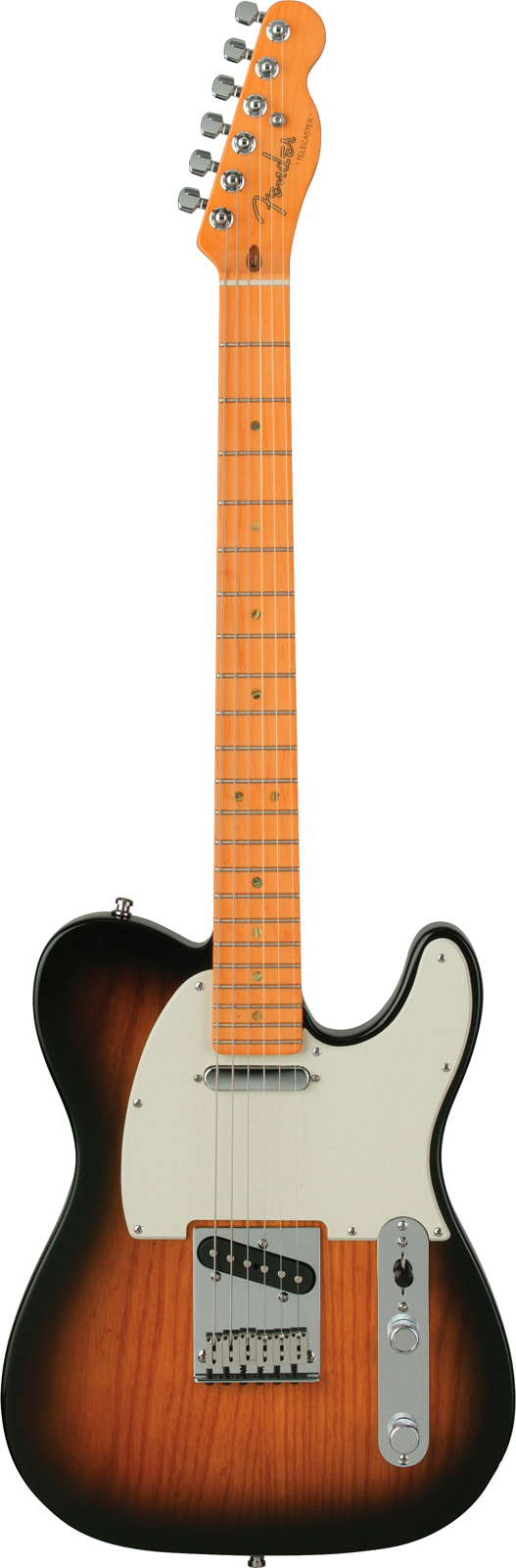
Fender telecaster (aka 'tele')
Again the original and best are made by Fender. Affordable copies are made by Squire and vintage
Less flash than the strat with a much less tailored body (kind of like a flat block of wood). Seen as more of a 'working mans' guitar.
Pickups give a 'twang' that is suited best to indie, blues, classic rock. Think Keith Richards, Bruce Springsteen, Status Quo, modern 'Indie' bands like Block Party
Single coil or humbucker pickups available
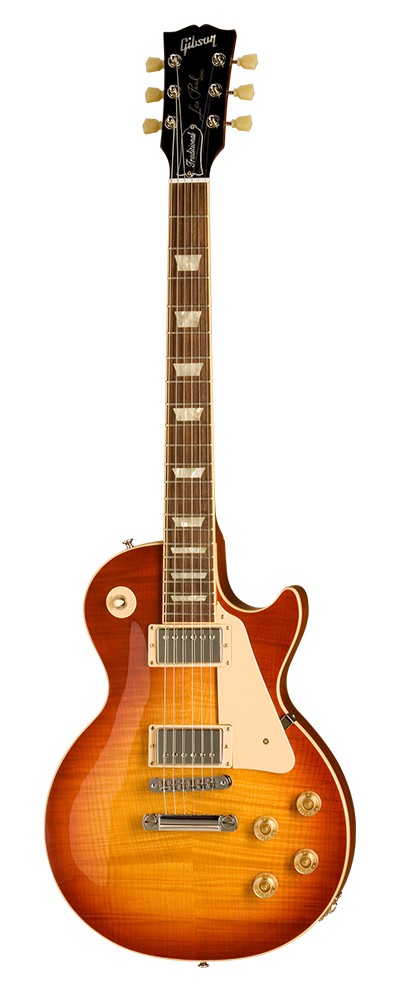
Gibson Les Paul
Originals made by Gibson. Affordable copies made by Epiphone and Vintage. Similar models made my PRS.
More flash than this others, and more 'meaty' sounding humbucker pickups,
Great for all rock and metal, though originally a jazz and blues guitar
Think Jimmy Page, Slash, Joe Perry, Thin Lizzy, The Darkness
Guitar Amplifiers
A guitar amplifier is not essential to learn guitar. If budget or availability is an issue, just get hold of a guitar itself and start practicing, don't delay!
However, electric guitars sound quiet and similar to acoustic guitars when unplugged from an amp. The amp (or amp simulator) is essential to get the sounds and tone we'll be focusing on in this course!
My recommended budget electric guitar amplifier out of total personal preference is the Blackstar HT-1, which I demo in the video above!
Here is a quick guide to all the controls on a typical guitar amplifier so you know how to set it up (set to my recommended default settings!)
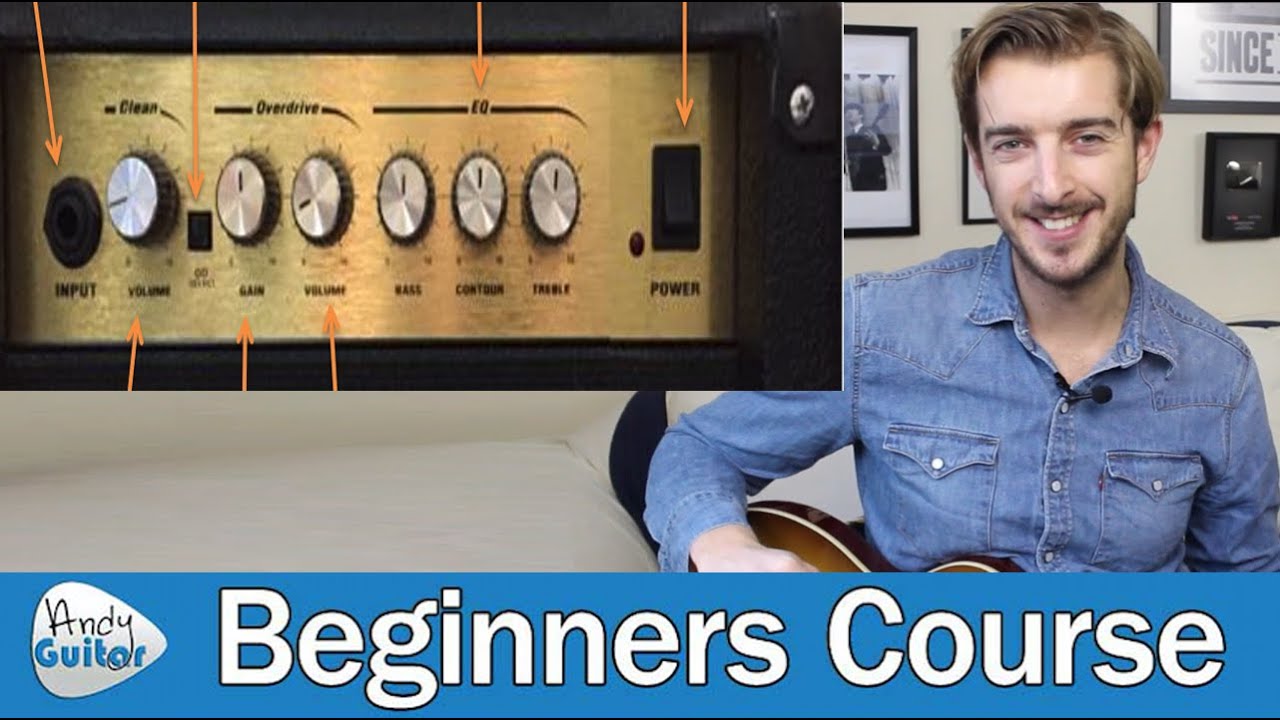
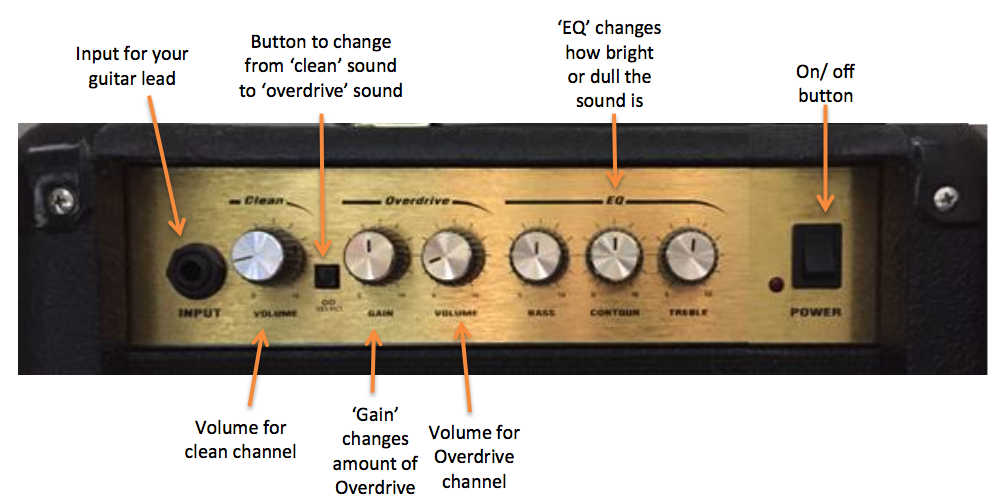
Controls on the amplifier
Most of these controls are found on all amplifiers. Many amplifiers have 2 'channels' named Clean & Overdrive switchable by a button or pedal.
Volume – Loudness
Gain/ Drive - Technically signal level, but in reality it’s the amount of fuzz, aka overdrive! There are 2 types of Gain or fuzz;
Overdrive – More natural sounding ‘fuzz’ sound similar to old valve amplifiers Distortion – A massive amount of fuzz, generally artificially created
EQ/ Equalisation - How we affect the treble, mid and bass
Bass – Low frequencies, deepness, boominess, etc
Middle – in between low and high. Boosting can make your sound more prominent or clearer (great for solos), reducing can fill out your sound, making your amp sound bigger?
Treble – High frequencies, brightness
Electric Guitar Starter
Recommended Songs
Enjoying this course? Want to test out your new skills? Find out my recommended song tutorials that accompany this course and get total access to the site by signing up today!