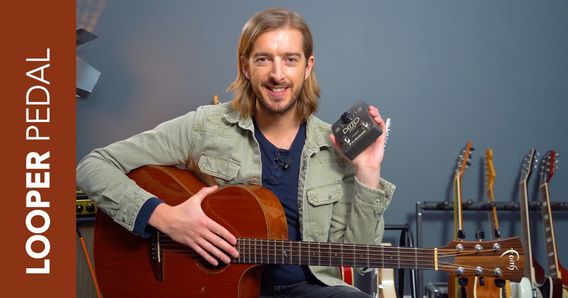
Why A Looper Pedal Should Be Everyones FIRST Guitar Pedal
In this video
The most common looper pedal mistake that makes your sound absolute crap: not using the effects loop on your amp. Learn how and why to use the effects loop and what it actually is.
Why the FX loop matters: Your looper pedal must go in the effects loop, not in the main signal chain. Without this, the signal gets squashed by overdrive because everything becomes part of the same chain. The FX loop is literally a separate chain running after the amp's preamp stage.
The signal chain: Think of your sound as "a distorted guitar in a big room." The distorted guitar part (your guitar, pedals, amp overdrive) comes first. The "big room" part (reverb, delay, looper) should go in the effects loop so it doesn't get affected by the overdrive pedals.
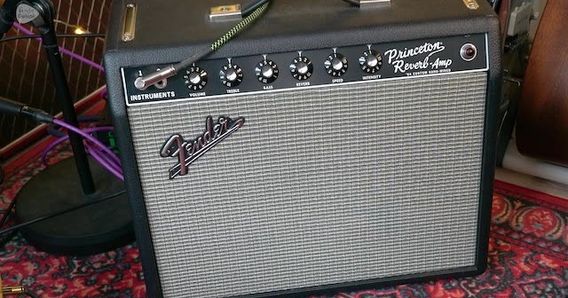
How it works: The looper connects from the amp's "effects loop out" to the looper, then back to "effects loop in." This allows you to record a clean rhythm loop, then add overdrive pedal over your solo without affecting the original loop. Each layer stays independent.
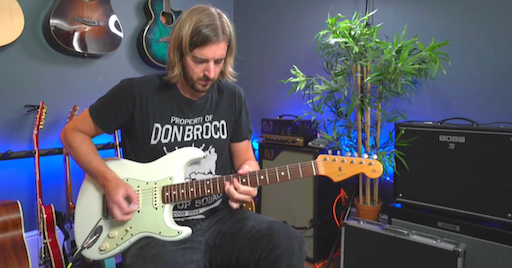
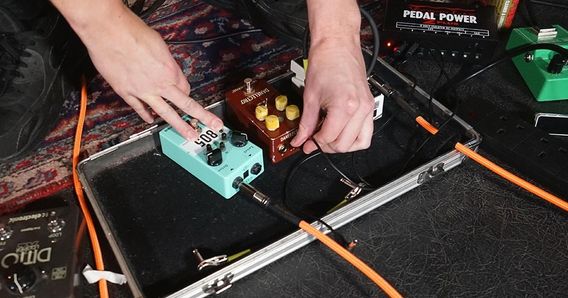
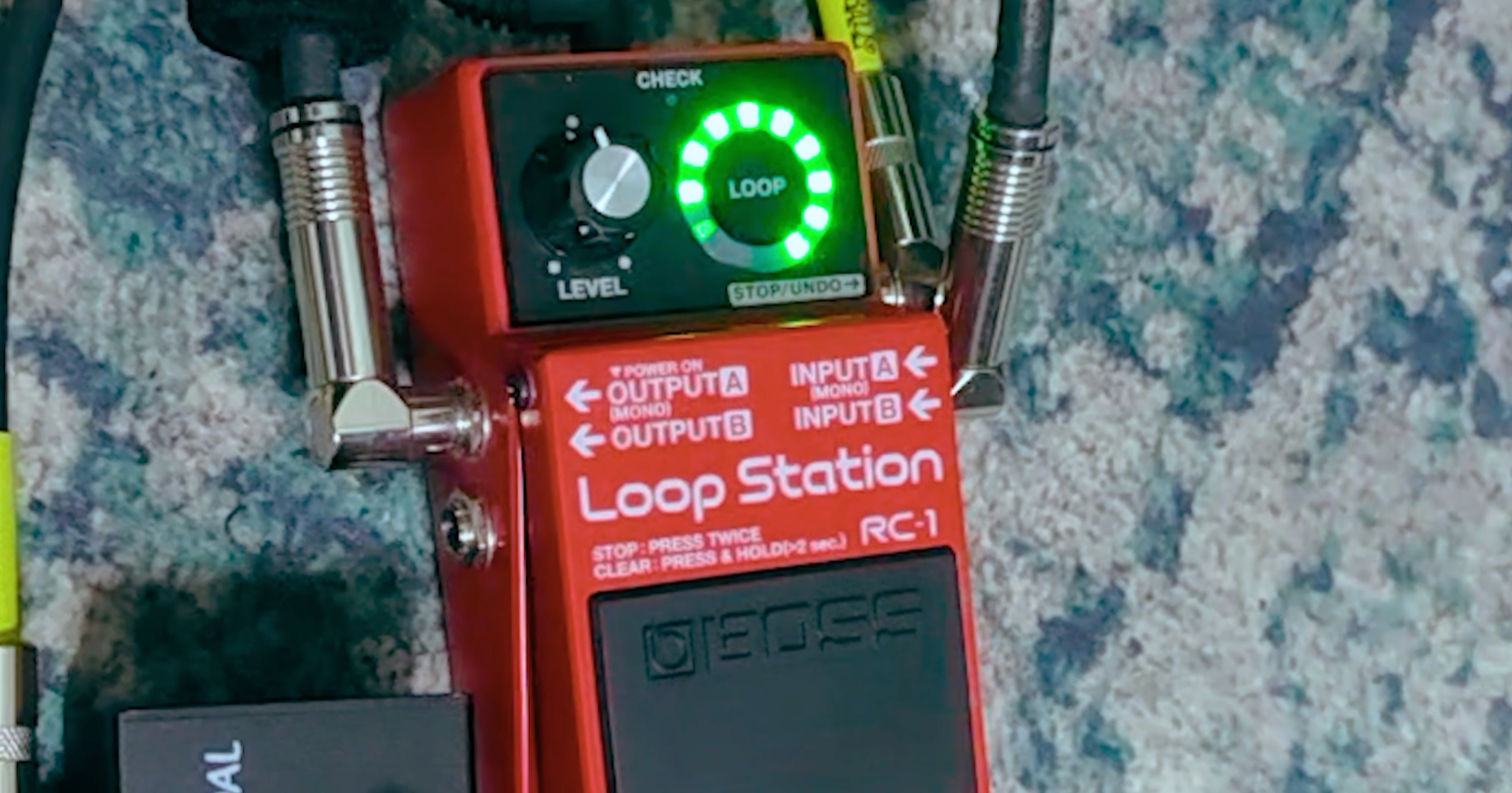
Setup demonstration: Using Boss RC-1 looper with an additional footswitch pedal that converts the double-tap stop function to single-click stop or delete last loop - turning a budget pedal into a pro one.
Practice songs:
"Dreams" by Fleetwood Mac - simple two-chord song (F and G). Loop the clean rhythm, then add overdrive for lead lines without affecting the backing track.
"Ain't No Sunshine" - three-chord groove in A minor. Loop the rhythm, then layer melody using A minor pentatonic. Adding reverb at the end of the signal chain (on the amp) affects everything appropriately.
"Hey Joe" by Jimi Hendrix - repetitive C-G-D-A-E progression perfect for layering Hendrix-style licks over clean backing. The amp stays clean while you add overdrive just for the solo layers.
"Get Back" by The Beatles - loop the main riff, then add different overdrive levels for lead parts. Shows how one song can have multiple distinct guitar tones when loops are independent.
"Hey Bulldog" by The Beatles - demonstrates looping a riff that needs slight overdrive on the rhythm, then adding more gain for lead parts in the key of B minor.
"Sunshine of Your Love" by Cream - you don't have to loop the full riff structure; just loop the opening section and play over it.
Creative technique: "Johnny B. Goode" - start your loop from bar 5 of the 12-bar blues (the IV chord), then play the iconic intro over the top. This lets you perform the intro as a solo piece while the rhythm continues underneath.
"With or Without You" by U2 - repetitive 1-2-3-4 patterns are perfect for looping and layering.
The ultimate practice tool: A looper pedal is the ultimate rhythm test. You can't fake it - if your timing is off, the loop exposes it immediately. Use it with everything you practice to become a better guitar player. But none of this works without proper FX loop usage - that's the foundation.