A Beginners Guide To FUZZ Pedals (Vs Overdrive and Distortion)
In this video
Fuzz pedals create the wildest overdrive tones - different in character from both overdrive and distortion. Understanding fuzz unlocks classic sounds from the 60s through modern rock.
The most famous fuzz riff: "Satisfaction" by The Rolling Stones, originally recorded with a Maestro FZ-1 Fuzz Tone. Keith Richards was actually simulating a brass section - you can hear how the natural overdrive of saxophones and horns relates to that fuzzy, compressed tone. It has an almost synthesizer-like quality.
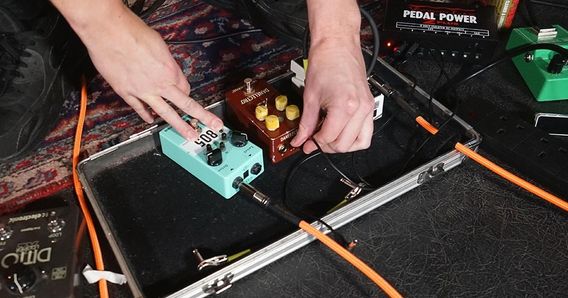
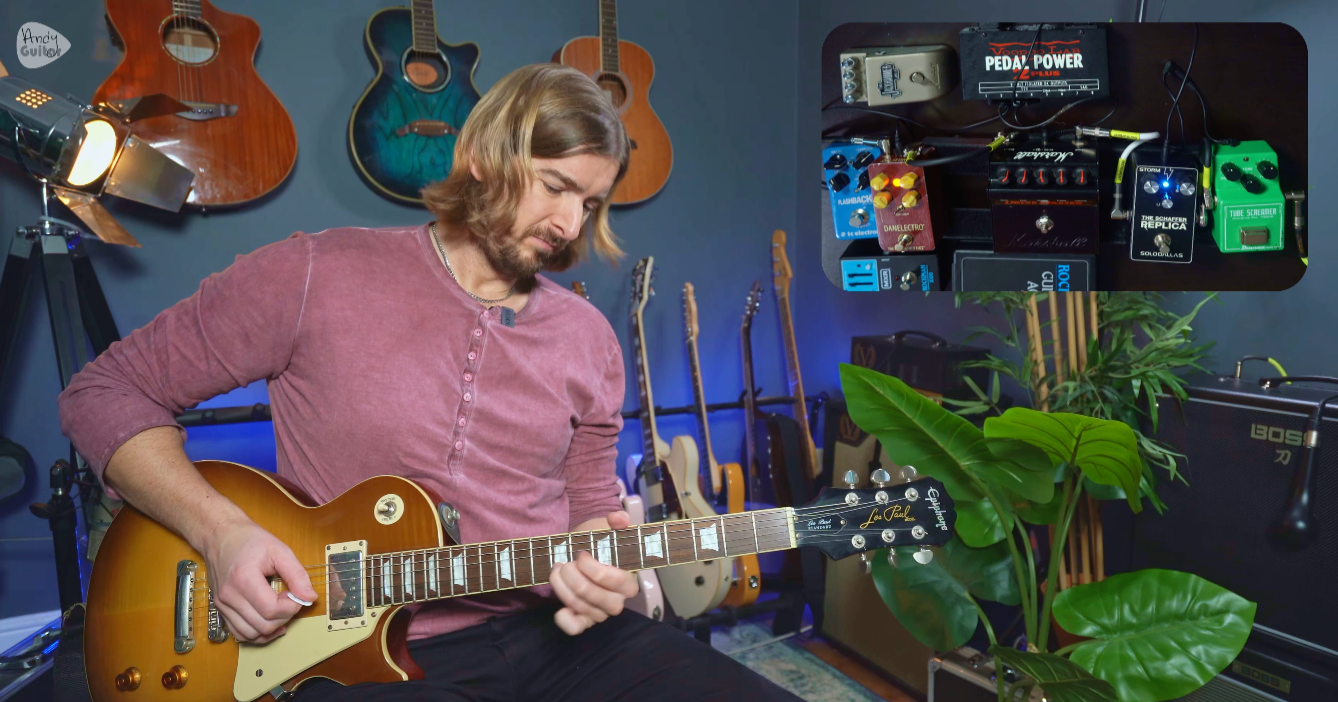
Fuzz characteristics: Doesn't handle chords well unless you like that chaotic, overtone-rich sound. Fuzz is primarily a lead/single-note effect. The Danelectro Eisenhower Fuzz (demonstrated) shows classic fuzz behavior - fantastic on single notes and riffs, messy on full chords.
Classic fuzz songs:
"Seven Nation Army" by The White Stripes - uses Electro-Harmonix Big Muff, one of the most famous fuzz pedals. That compressed, singing sustain is pure fuzz character.
"Spirit in the Sky" - 70s recordings often went fuzz pedal straight into the mixing desk, no amp. That direct, saturated fuzz tone became a signature sound.
Hendrix fuzz: Jimi Hendrix popularized fuzz in the 60s. "Foxy Lady" and "Purple Haze" showcase fuzz as an essential tool for psychedelic rock. These riffs defined how to use fuzz musically - not just noise, but controlled aggression with singing sustain. Fuzz pedals were among the first effects pedals used in the 60s, providing overdrive before amps could naturally create it.
Modern fuzz applications:
Queens of the Stone Age - heavier, more aggressive fuzz tones. Demonstrated with mid-scooped EQ (bass up, mids down) for that thick, woolly low-end characteristic of QOTSA.
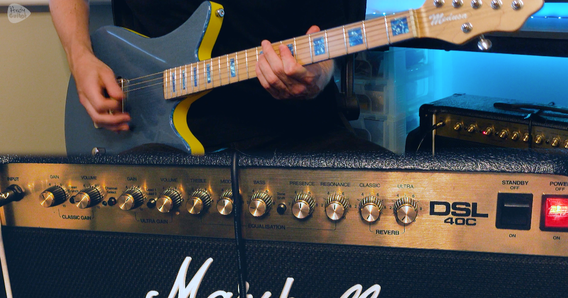
Muse - Matt Bellamy uses fuzz extensively for both rhythm and lead tones, creating everything from atmospheric textures to aggressive riffs.
Settings demonstration: Unlike overdrive pedals with multiple controls, fuzz often has simple controls - typically just level and fuzz amount. The Danelectro shown has minimal controls by design. Experiment with fuzz amount from subtle grit to complete saturation.
When to use fuzz: If you want authentic 60s psychedelic tones, garage rock sounds, or that specific compressed sustain that overdrive and distortion can't replicate. Fuzz is its own beast - very different quality from overdrive's warmth or distortion's aggression. Essential for playing Hendrix, Stones, White Stripes, and understanding the foundation of guitar effects.