When Do You NEED An FX Loop? (I Made This Mistake For YEARS!)
In this video
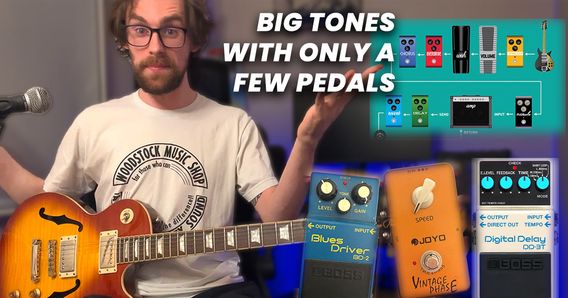
When and how to use an effects loop, why some amps have them, and what happens when you use effects in the wrong place in your signal chain.
The signal chain: Think about your guitar sound like a story. That story is "a distorted guitar in a big room" or "a clean guitar in an echoey room." The clean/distorted guitar part is your guitar going into effects going into the amp. The "big room" or "echoey room" part - that's reverb and delay, which should come after everything else in the effects loop.
What happens without an FX loop: If you run reverb before the amplifier (in the main signal chain), the reverb gets distorted along with your guitar signal. This creates a washy, undefined mess - the Kevin Shields shoegaze sound, which is cool if intentional but usually not what you want. The reverb itself becomes overdriven and compressed.
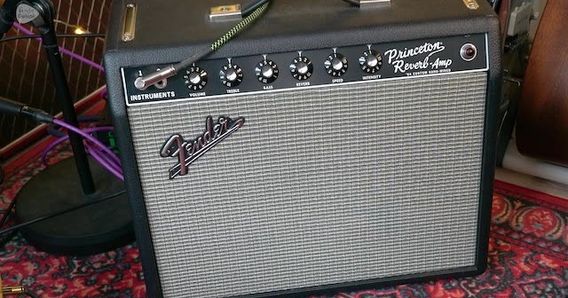
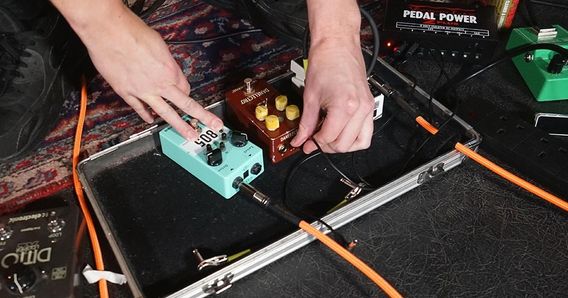
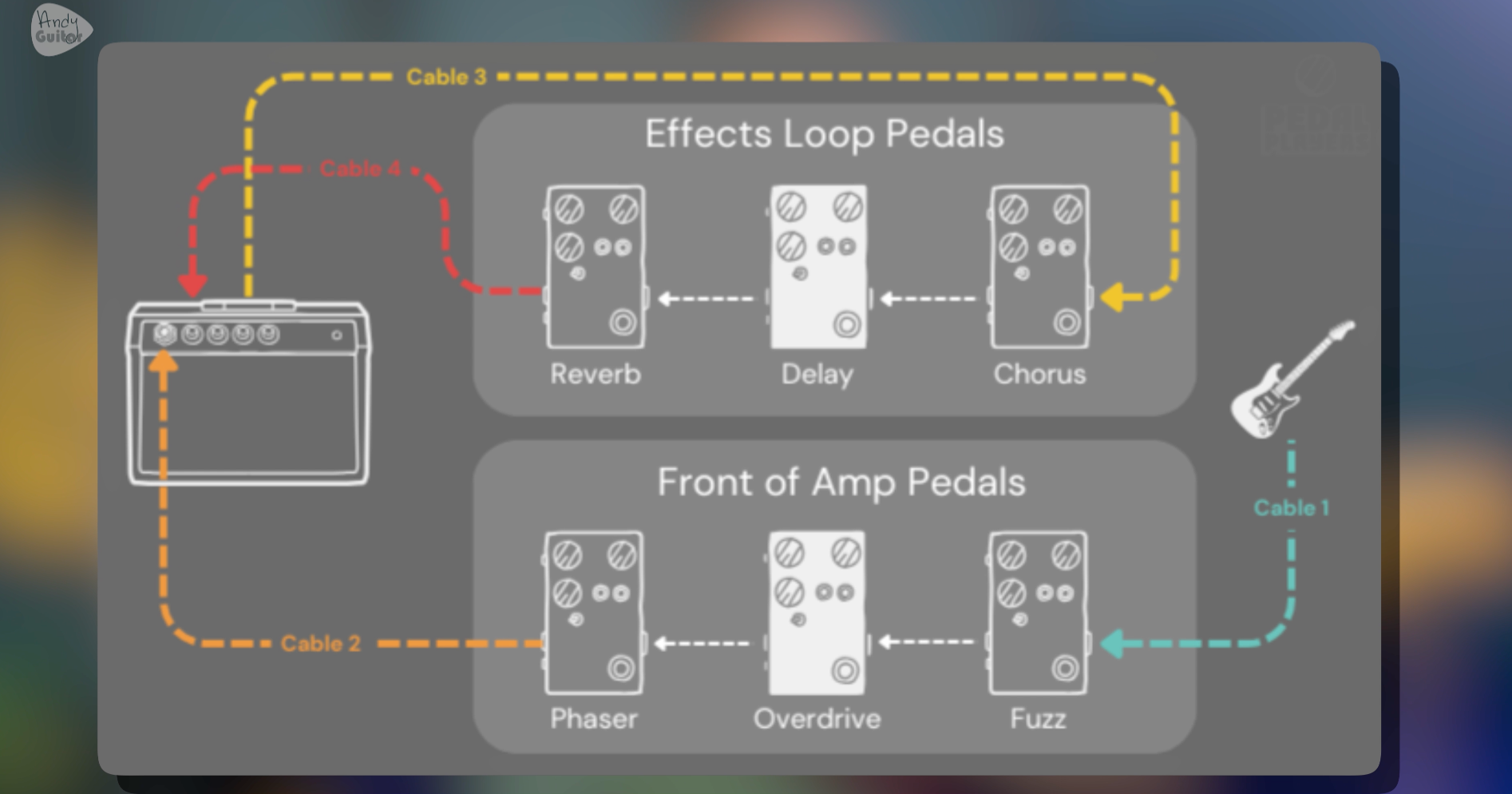
How the FX loop works: Amps with onboard reverb automatically put it at the end of the signal chain - it's already in the right place. External reverb pedals need to go in the effects loop. The amp has "send" and "return" jacks - signal goes out to your pedalboard (where reverb/delay live), then returns to the amp. It's essentially a separate signal chain.
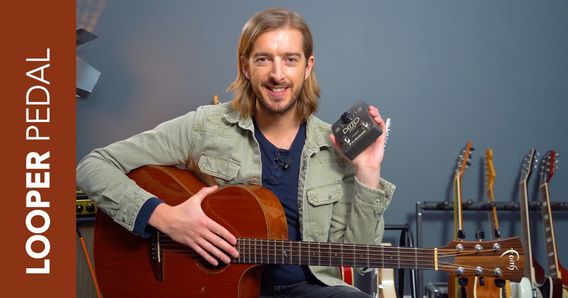
Looper pedals require FX loop: If your looper isn't in the effects loop, everything gets squashed. You lose the ability to have independent layers with different sounds.
If you Loop a clean rhythm in the FX loop, then add overdrive pedal for the lead. The amp stays clean, but you can switch the overdrive on and off without affecting the looped backing track. Then you can add another clean layer over that. You have total control over each layer's sound!
Without the FX loop, adding overdrive affects everything including the loop. You lose layer independence.
Essential effects for FX loop: Reverb, delay, chorus, and especially looper pedals. These are "space" effects - they define the environment your guitar exists in, not the guitar tone itself. Time-based and modulation effects generally belong in the FX loop.
The core principle: Your guitar sound in a big space. Anything affecting the guitar itself (overdrive, distortion, fuzz, wah, compression) goes before the amp. Anything affecting the space (reverb, delay) or the looper goes in the FX loop. This separation gives you professional-sounding recordings and complete control over your layers and effects.