
Hallelujah - Tips to play it like Jeff Buckley
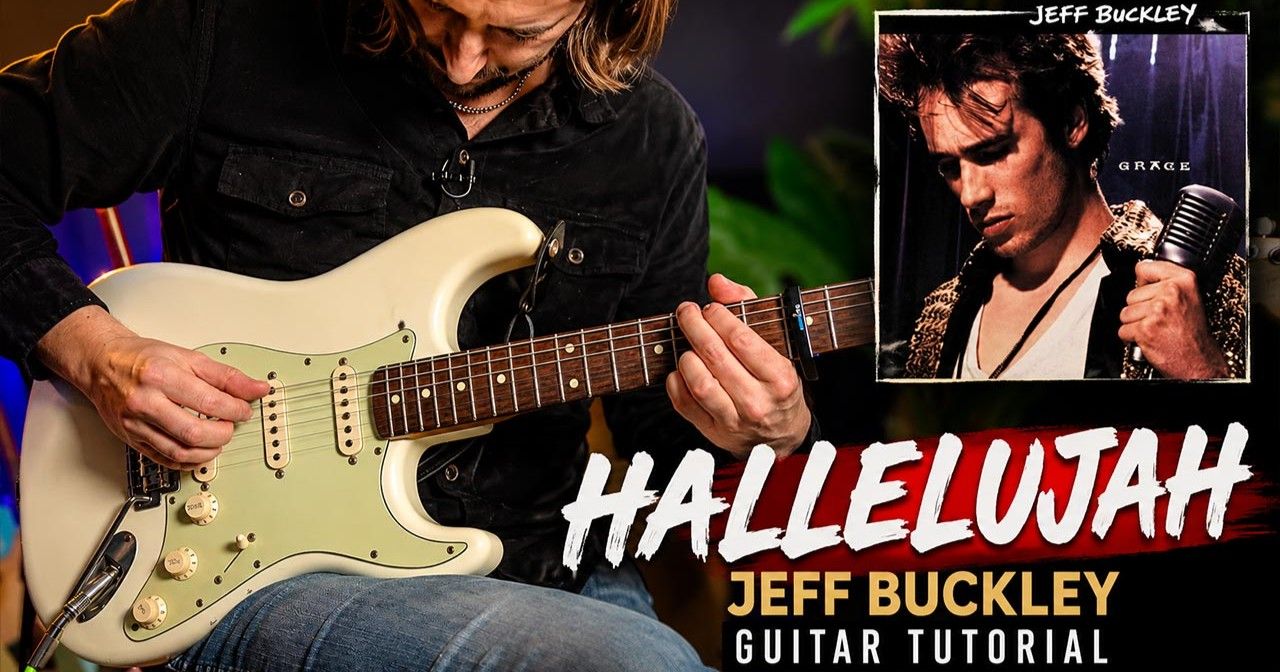
In this video
This isn't a strict tutorial – it's a deep dive into the details that make Jeff Buckley's cover of Hallelujah so hauntingly beautiful. If you've already learned the basic chords and fingerpicking pattern, this lesson shows you how to transform your playing with the signature techniques and tonal choices that defined the 1994 Grace album recording.
The Tone Setup
Jeff famously played this on a Telecaster through the neck pickup, but the key ingredients are a clean channel with reverb up high to create that ghostly, atmospheric sound. A booster or compressor pedal adds sustain and brings out the detail – particularly useful for the solo section where you need notes to ring and respond to your touch. The magic is in maintaining dynamics rather than squashing them.
The Haunting Intro
With capo at the 3rd fret (putting you in the key of G), the intro moves from E minor to E minor with a flattened fifth – that tritone "devil's chord" effect that creates the unsettling beauty. Getting those root notes to emerge delicately from the reverb takes practice. The triplet feel (1-and-a 2-and-a) works its way in where you wouldn't expect, building towards that almost Black Sabbath-like tension before resolving into a gentle melody.
Dynamics and Fingerstyle Details
The dynamics are everything in this song. You'll build from barely-there fingerpicking towards the thinner strings, then hit a signature strum – a combination of a first-finger strike with a fuller strum – before dropping instantly back to very quiet. This technique appears in John Mayer's playing too (think Stop This Train), and there's a Blackbird-style element where you add percussive strums within the fingerpicking pattern. Not every time, but placed for effect.
The Melodic Additions
The Dsus2 hammer-on creates that signature moment everyone recognises. Beyond that, weaving the vocal melody into your picking transforms the arrangement from accompaniment into something self-contained. The solo section responds beautifully to a good compressor – allowing you to be very gentle or very aggressive while keeping all the detail intact. The ending features some beautiful voicings including a C chord with G on top and an E minor 9 that resolve the song perfectly.