
Major Pentatonic Scale EXPLAINED With Easy Song Examples
In this video
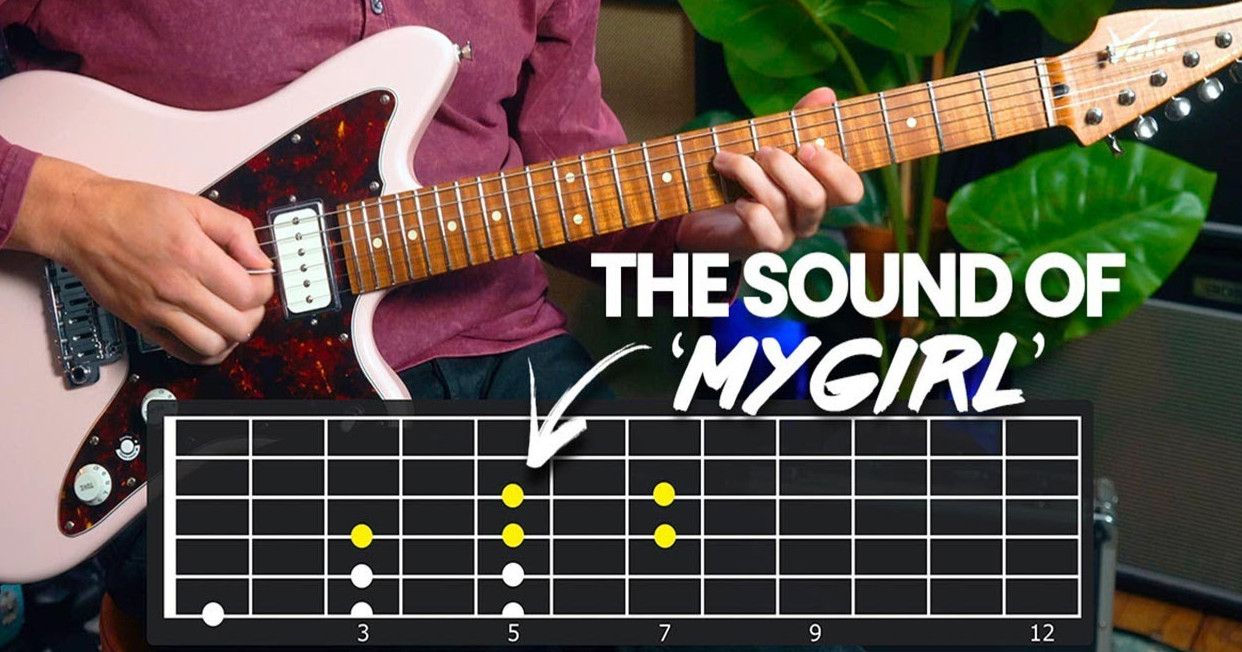
Breaking down the major pentatonic scale and how it differs from the minor pentatonic we focus on so much in electric guitar. Just like major chords sound happy and minor chords sound sad or bluesy, the same applies to scales. Two key songs demonstrate the major pentatonic sound: "My Girl" literally walks up the notes of the major pentatonic scale, and "Fluorescent Adolescent" by Arctic Monkeys uses it for that bright riff.
The relationship between major and minor pentatonic is simple - A minor pentatonic starts on the A note, but if you start on the second note (which is C), you're playing C major pentatonic using the exact same notes. This is why I teach minor pentatonic starting from two different positions - it gives you options for playing major pentatonic as well.
The 3-2 method is a powerful way to learn major pentatonic: play three notes (three whole tones on the dotted frets), then two notes. This pattern works anywhere on the neck. For example, in C major pentatonic starting on string five, you go 1-2-3 then 1-2. To play the "My Girl" riff, you continue this pattern: 1-2-3-1-2-1, moving across the strings. The same 3-2 method works for F major pentatonic when the song changes chords.
"Fluorescent Adolescent" uses the 3-2 method starting at the open string: 0-2-4 on one string, demonstrating how this pattern creates those distinctly major-sounding riffs. This wouldn't technically be shape one of major pentatonic - it's shape five, because there are five shapes total to cover the whole guitar neck with the same five notes.
Minor pentatonic is the most common scale we use, but major pentatonic is the next most common for riffs and solos. Learning these two song riffs will get the major pentatonic sound into your musical memory so you can instinctively know which scale to use when a song sounds distinctly happy and major rather than bluesy and minor.