Pre lesson - Country Guitar amps, sounds & gear
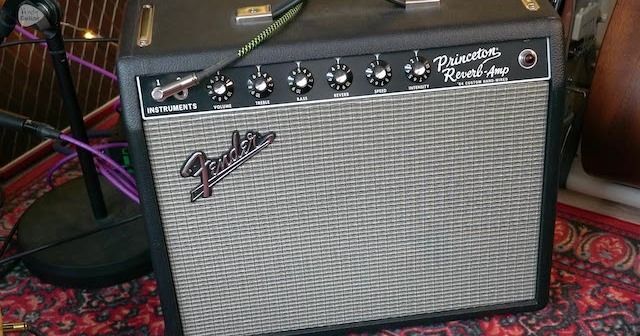
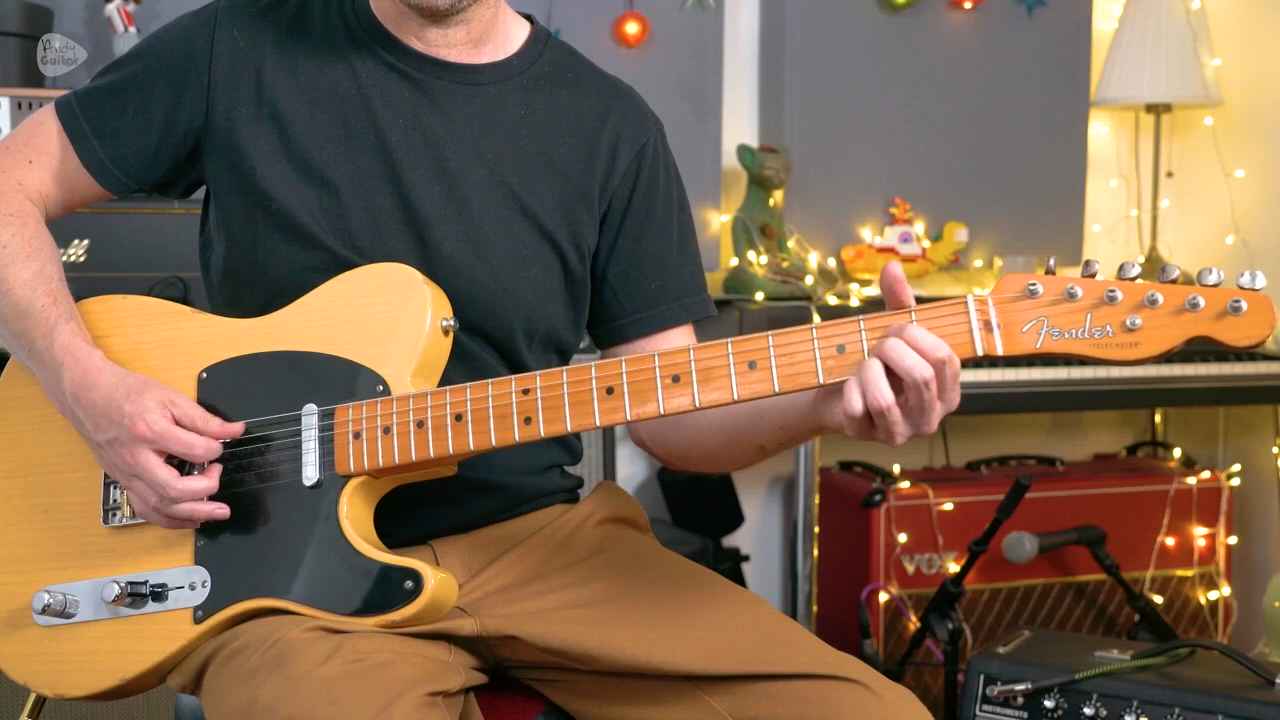
Just by way of a little bonus video, I wanted to talk briefly about country gear and how to get the sound, and uh I don't think there's any right or wrongs here, and there are lots of different country guitar sounds which can all be great, it really depends on what you're after, what kind of country music you're talking about, what kind of period. Do you want a kind of traditional classic country guitar sound, or are you after. Something a little bit more modern, one of these kind of country pop kind of crossover sounds, but um, you know, having said that, I suppose there is that classic country guitar sound that most people have in their heads, and I suppose what you're talking about here is a bright, twangy kind of a sound, it's generally a telecaster on the bridge pickup going into some kind of clean fender amp, so, that's my starting point with country guitar sounds. I'm lucky enough these days to have some quite nice. Gear, I've got a, a Telecaster here, this is a 52 reissue Telecaster from uh sometime in the 1990s, I think, so I'm using this for the entire course. I'm on the bridge pickup here, I have my volume and tone controls on full, and then for this course, I was actually going into a Kemper profiler, which is a, a digital amp modeller, it does sound very, very good, but just for. Uh, convenience, uh, when I'm, I'm filming the calls just for audio quality, it's just a little bit easier to record direct into my computer. Like that, were I using a real amp, then I would probably plug into something like this, I've got a couple of nice Fender amps, I've got a Princeton down here, Fender Deluxe is another uh classic country guitar. Amp, so you just want something that's got that quite bright, twangy, fender sound, and you've set the tone controls to taste, I think, you know, you don't want the high end to kind of cut, cut your head off here, so uh yes, you do want a bright sound, but sometimes telecast. can get a little bit harsh, so that's where you might want to tame some of the high frequencies by using the tone controls on an amp. And then as far as effects go, you don't really need much in the way of pedals if you want a more traditional country guitar sound. Just a guitar going straight into an amp should do it, but I have got a few pedals down here which I've been. Using uh sometimes a little bit of overdrive is nice, so just uh I've got a Nobles ODR one overdrive pedal here, this is favoured by a lot of the Nashville session players, and I've just got that set with the drive control very low, and that just adds just a little bit of dirt and grit to the sound, sometimes if you've got a sound that's totally clean, it can sound a little bit thin, so I'm using a touch of that overdrive there. Um, you know, perhaps for a more modern country sound, you might want to crank up the drive on that pedal and have a, a bit more of a, a distorted lead guitar sound that can work in those more kind of pop modern country contexts. And then I've got a couple of other pedals down here as well. A compressor can be really useful here. I've got an MXR dina compound, what that does is just, Uh, squash the dynamics of your playing, so it kind of makes, uh, the quiet bits a bit louder or the louder bits a little bit quieter, and, uh, particularly with clean sounds, it just adds a bit of bite and and chime to the sound, so I might use a little bit of that, you don't want to overdo it with the compression. And then I've got a delay as well, which I will occasionally use for maybe for a solo, you can have a little bit of a delay, or for some of that rockabilly stuff, that can sound great with a slap back delay, so a very fast single repeat delay. So that's my gear, but I would stress the importance of getting to know your own gear and getting a great sound of whatever it is you have. I mean, don't fall into that trap of going, oh well this guy's got, you know, this amazing gear. Only I had this gear, this amp, and these pedals, then I'd have some amazing tone because often that's not the case. You go out and buy the latest pedal or guitar, and you, you'll find that, uh, things still aren't sounding that great. So it's, uh, you know, it's a bit of a cliche to say this, but you know, 90% of the tone is going to be in your hands and in your fingers, so the way you attack the strings, you know where you're picking along the length of the strings. And then another important part of the tone is just using your ears, so. Uh, dialling in the amp, so you've got the right kind of sound, you know, adjusting the, the controls on your guitar, choosing the right pickup, uh, figuring out how your amp responds to pedals, so a lot of experimentation is involved here, but it's worth just taking the time to do that, educating yourself about how to get a good sound, and you'd be amazed what results you can get, even with some quite budget friendly gear. So, uh, good luck with that.
In this video
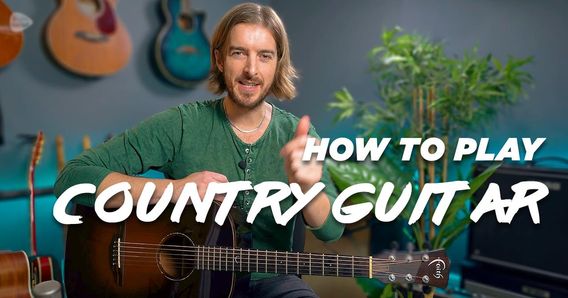
Welcome to this Country Bootcamp pre-lesson! Here we can make some essential gear decisions that will set us up perfectly to capture the Country guitar sound.
Simply put, the better you sound the easier the playing can be!
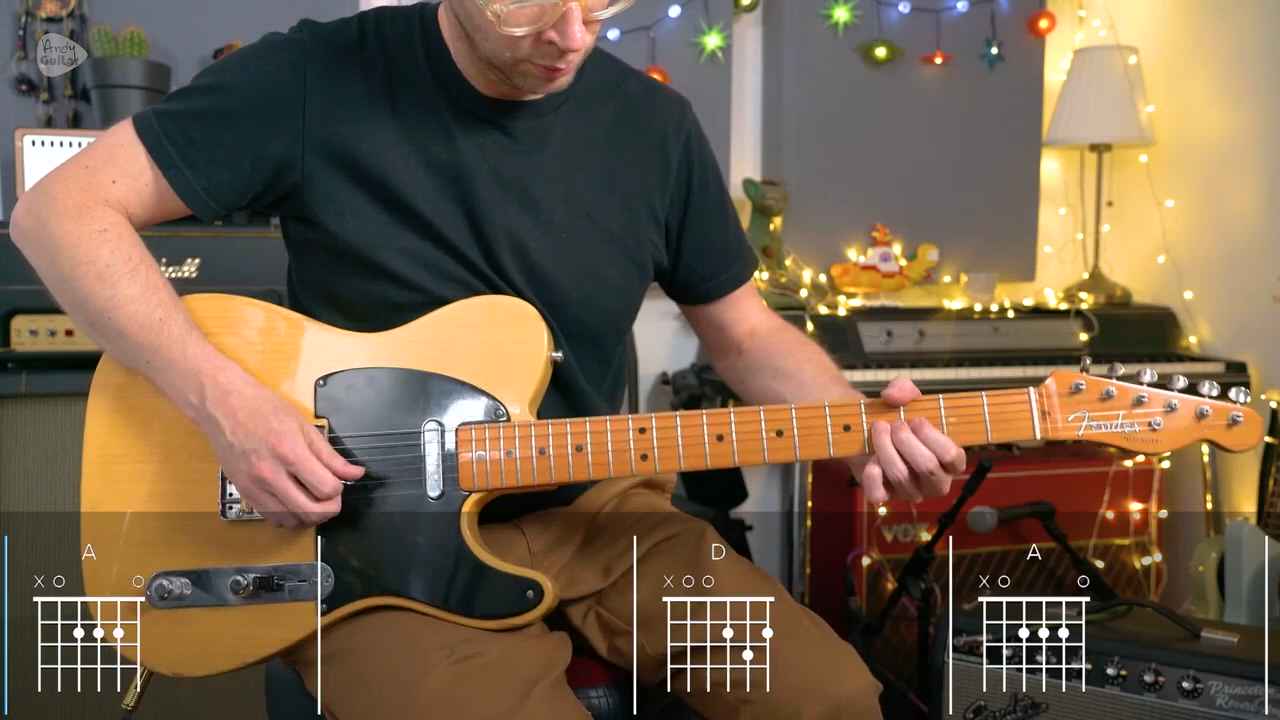
Clean Fender amps and a Fender Telecaster is always going to sound 'Country', as this is what was used on many original and older recordings we all still listen to today. No other guitar is more closely associated with the sound of country music and it's players than the Fender Telecaster.

Just like the Fender Telecaster, most country guitarists have favoured an all-tube Fender combo amps with classic spring reverb built in!

EFFECTS
There are three effects that can be used right away to get a versatile country sound — a compressor, some kind of overdrive and delay are all great pedals to get started with!

An amplifier that can go sparkly clean, like any Fender amp is the perfect platform to let the overdrive colour the sound; add some delay and you'll have a great lead tone!
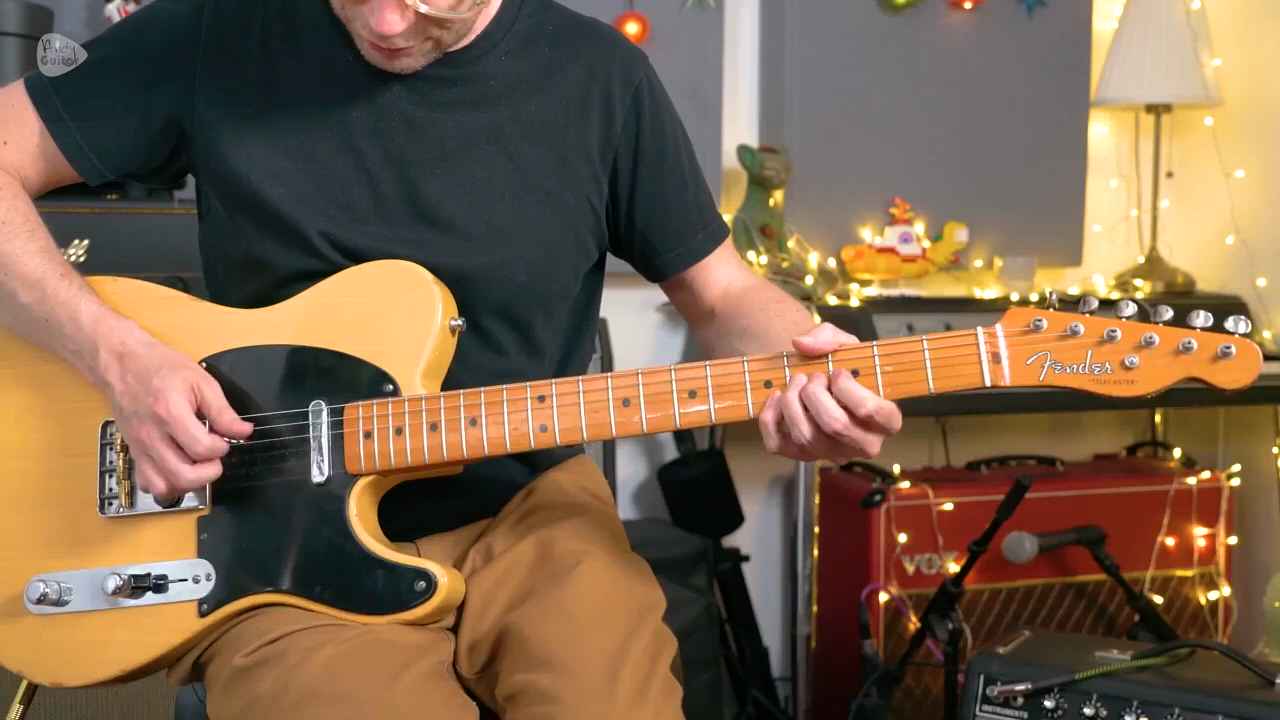
The compressor pedal will also help with the clean tones sounding really big, especially if you're chickin' pickin' or finger picking as this brings all the guitars signal up to one level making all the notes heard no matter the way the string is played.
Country Guitar Bootcamp with Adrian
Recommended Songs
Enjoying this course? Want to test out your new skills? Find out my recommended song tutorials that accompany this course and get total access to the site by signing up today!